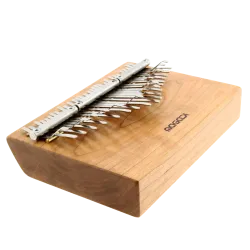
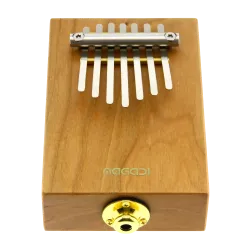
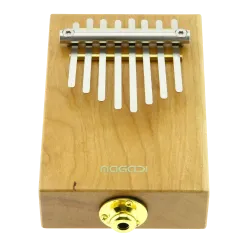
Magadi Kalimba M13 Star C Major

Price: €94.60
SKU KALCN-12-CONF Category Kalimba & Mbira

Magadi Kalimba M13 Star C Major

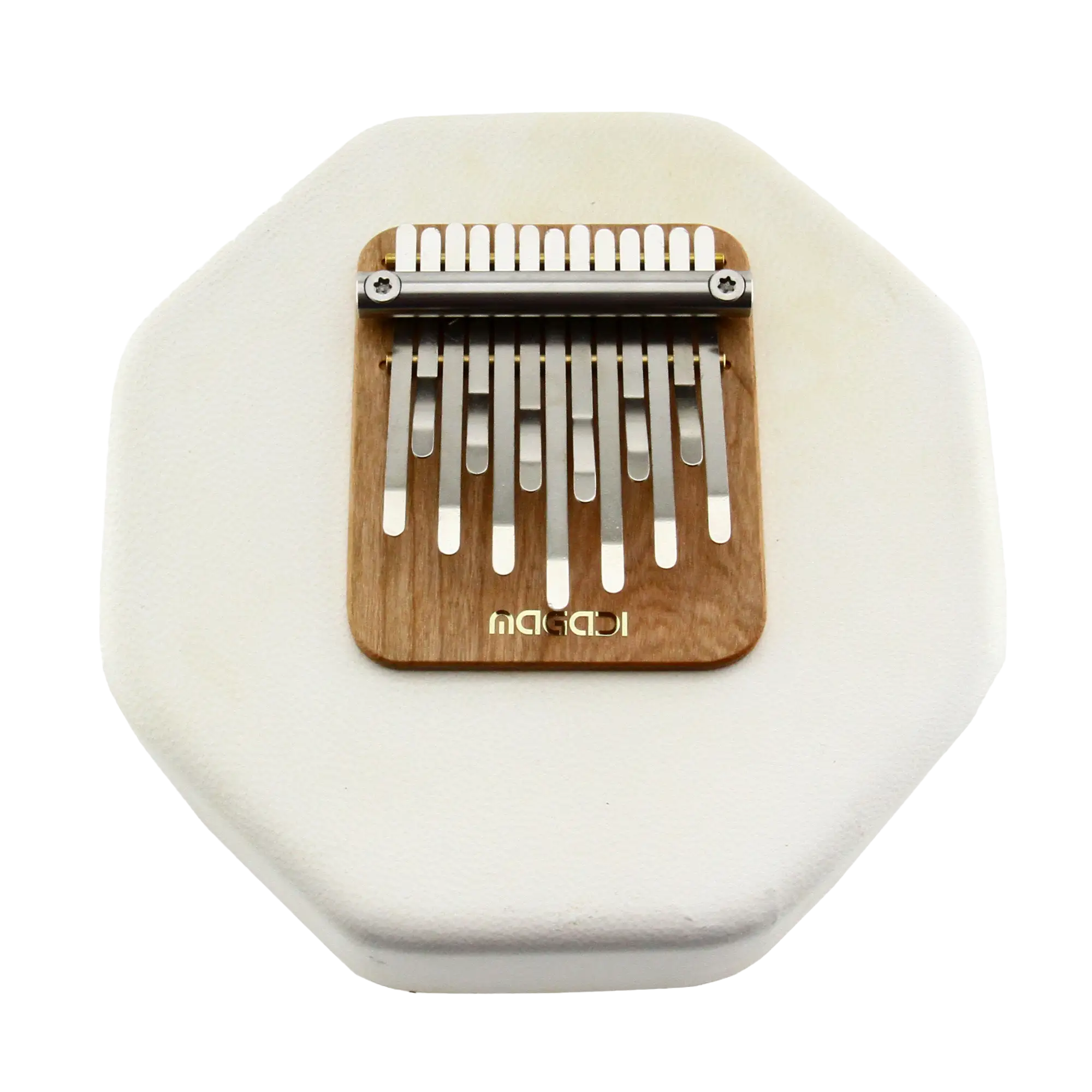
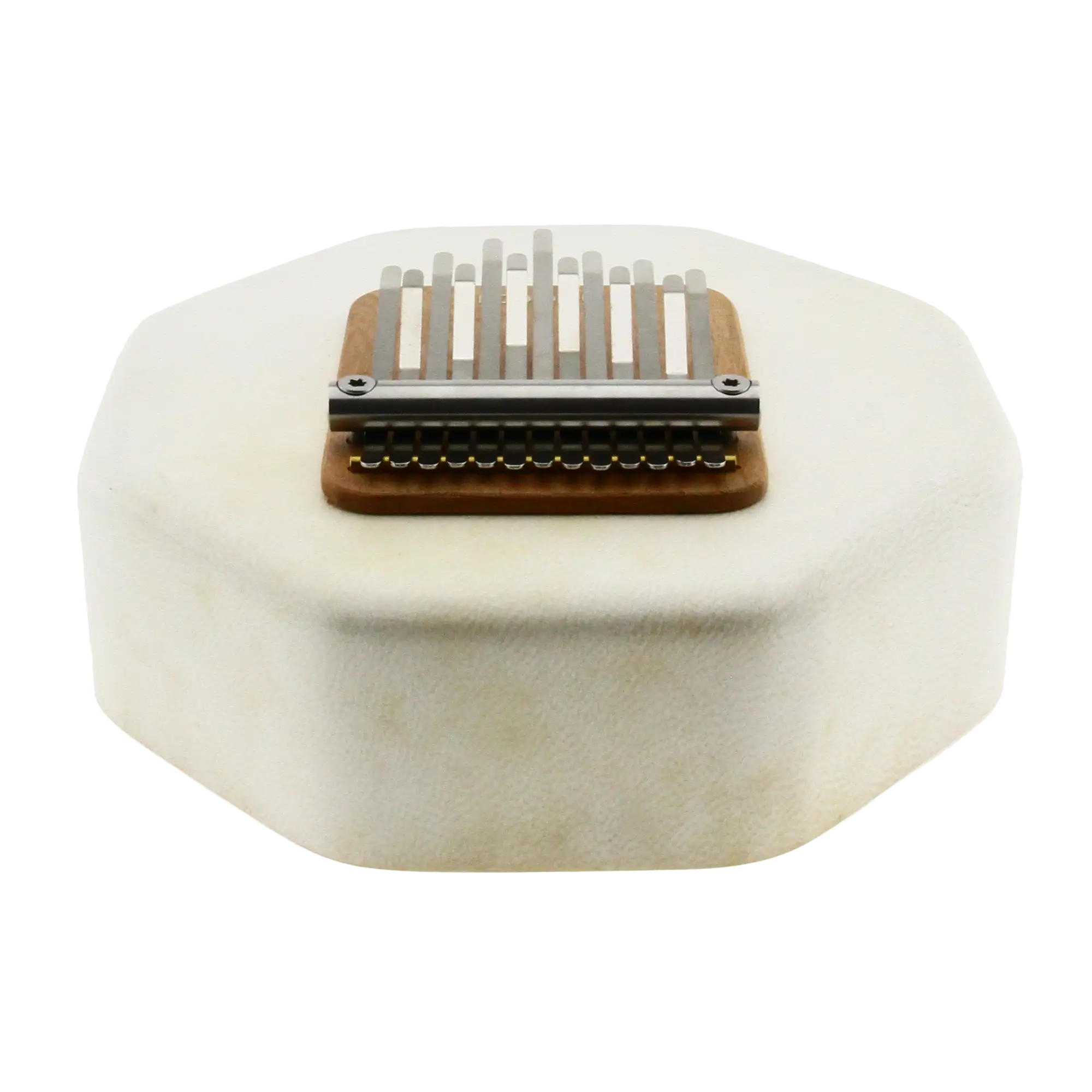
The M13 Star is a membrane kalimba—a thumb piano whose wooden body is fitted with a stretched goat skin membrane that responds dynamically to your playing. This distinguishes it fundamentally from solid-bodied kalimbas. The membrane transforms the instrument from a fixed-pitch percussion tool into something with real tonal flexibility; hand position, pressure, and muting techniques all shape the sound in real time, giving you expressive control that extends far beyond simply striking steel tines.

What Makes the Membrane Design Different

On a solid kalimba, each note has a fixed pitch and character. The M13 Star's membrane allows you to bend and color that pitch after you strike it. By moving your hands across the membrane surface and varying your muting technique, you can create sweeping pitch slides, wah-wah effects, and tonal modulation that a rigid instrument cannot produce. These are not ornamental flourishes—they are fundamental to what the instrument is and why someone would choose a membrane version over a standard model.

The learning curve is progressive. New players typically begin with simple note-striking and naturally discover hand-muting effects as they become familiar with the instrument. The membrane rewards experimentation; small shifts in hand position produce audible tonal differences, encouraging you to develop your own voice on the instrument.

Construction and Materials

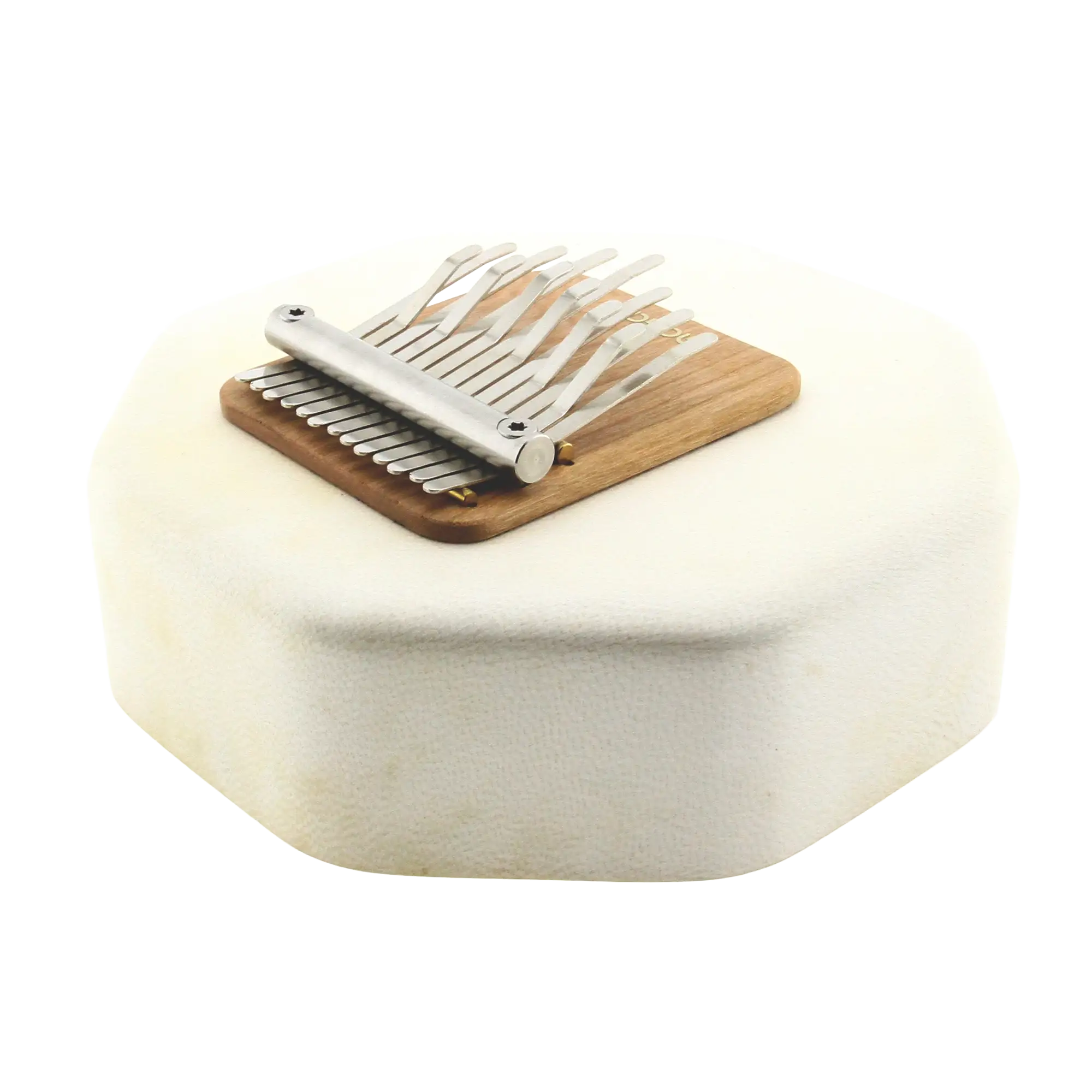
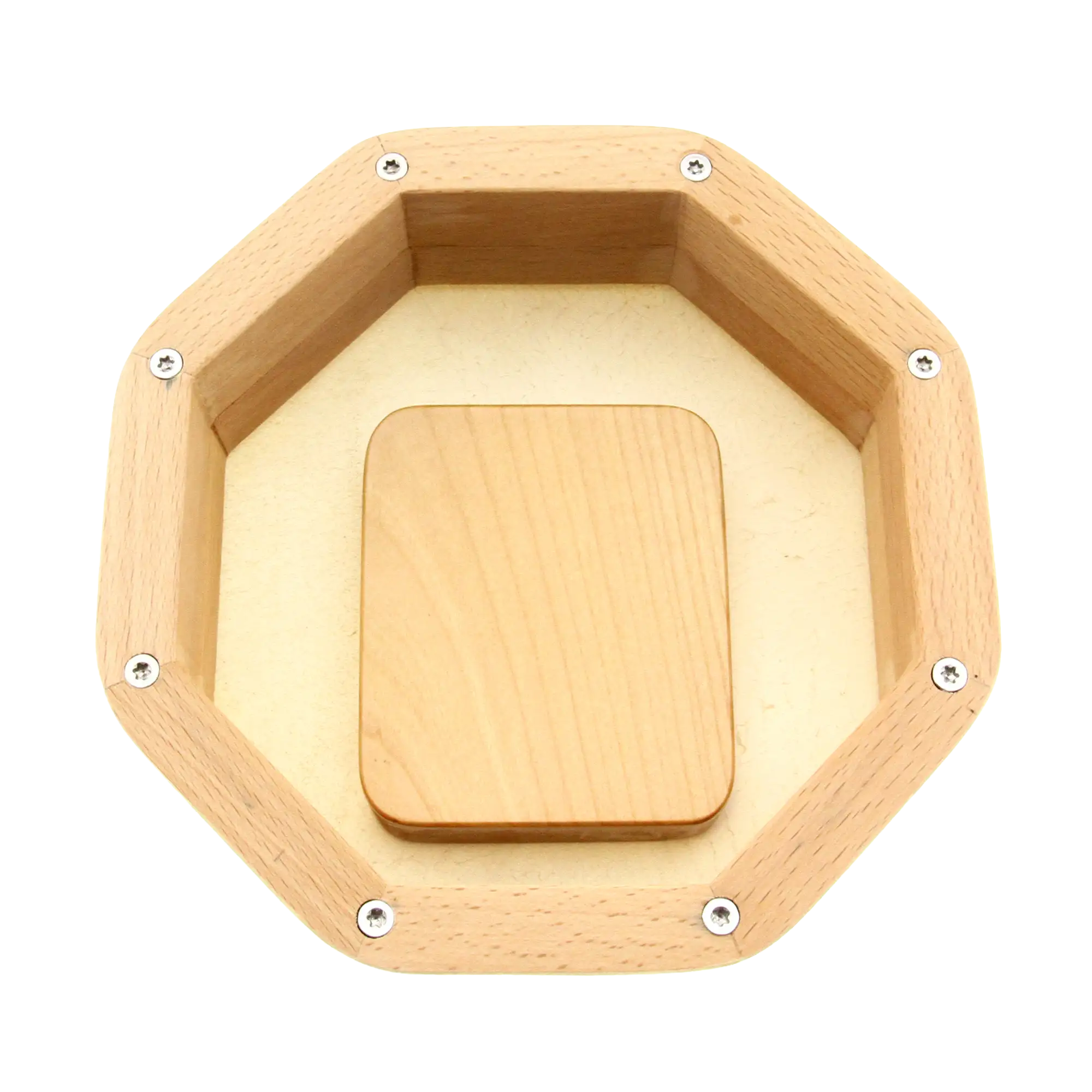
Three materials form the complete instrument: wood provides the structural body and frame; steel delivers the 13 playable tines; goat skin serves as the active resonant membrane. Each material has a specific role. The wood and frame establish the resonant cavity and the anchor point. The steel tines, when plucked, generate the initial pitch. The goat skin membrane then modulates and colors that pitch, responding to subtle hand movements during play.

This layering of materials is not decorative—it directly shapes what the instrument can do musically. A solid kalimba of the same size cannot produce the wah-wah effects or fluid pitch-bending that this membrane design permits. You are not buying a simplified version of something; you are buying an instrument with its own distinct capabilities.

Tuning and Harmonic Simplicity

The M13 is tuned in diatonic C major—all 13 notes belong to the C major scale and harmonize naturally with one another. This means that any combination of notes you play will sound musically coherent. You do not have to think about which notes "work" together; the tuning system guarantees musical results from the moment you begin exploring the instrument.

This design choice makes the kalimba genuinely accessible to beginners with no musical training, while remaining substantial enough for improvisation and composition. A beginner can pick it up and make music that sounds intentional. An experienced musician can use the diatonic framework as a foundation for rhythmic exploration and melodic development.

Physical Format and Portability

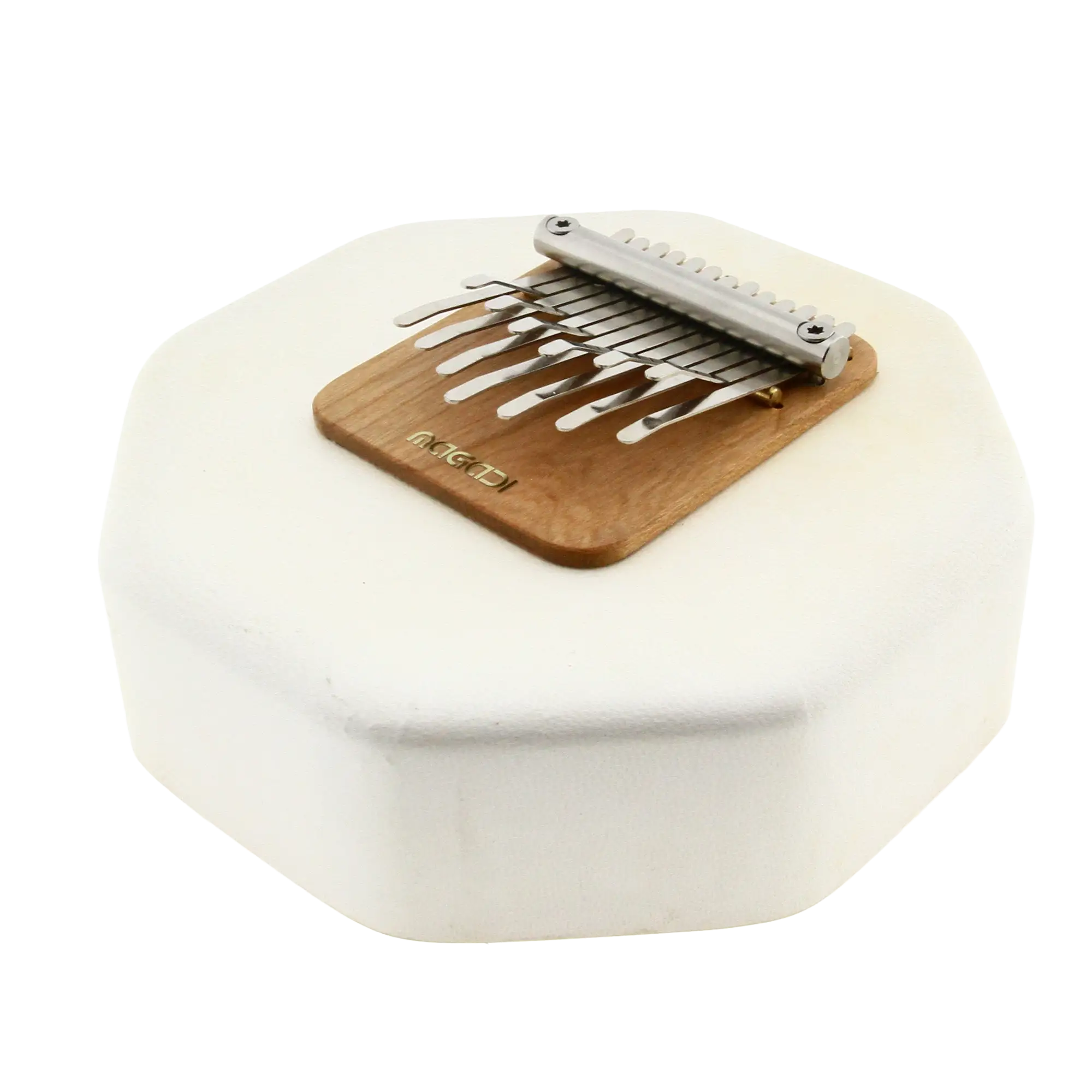
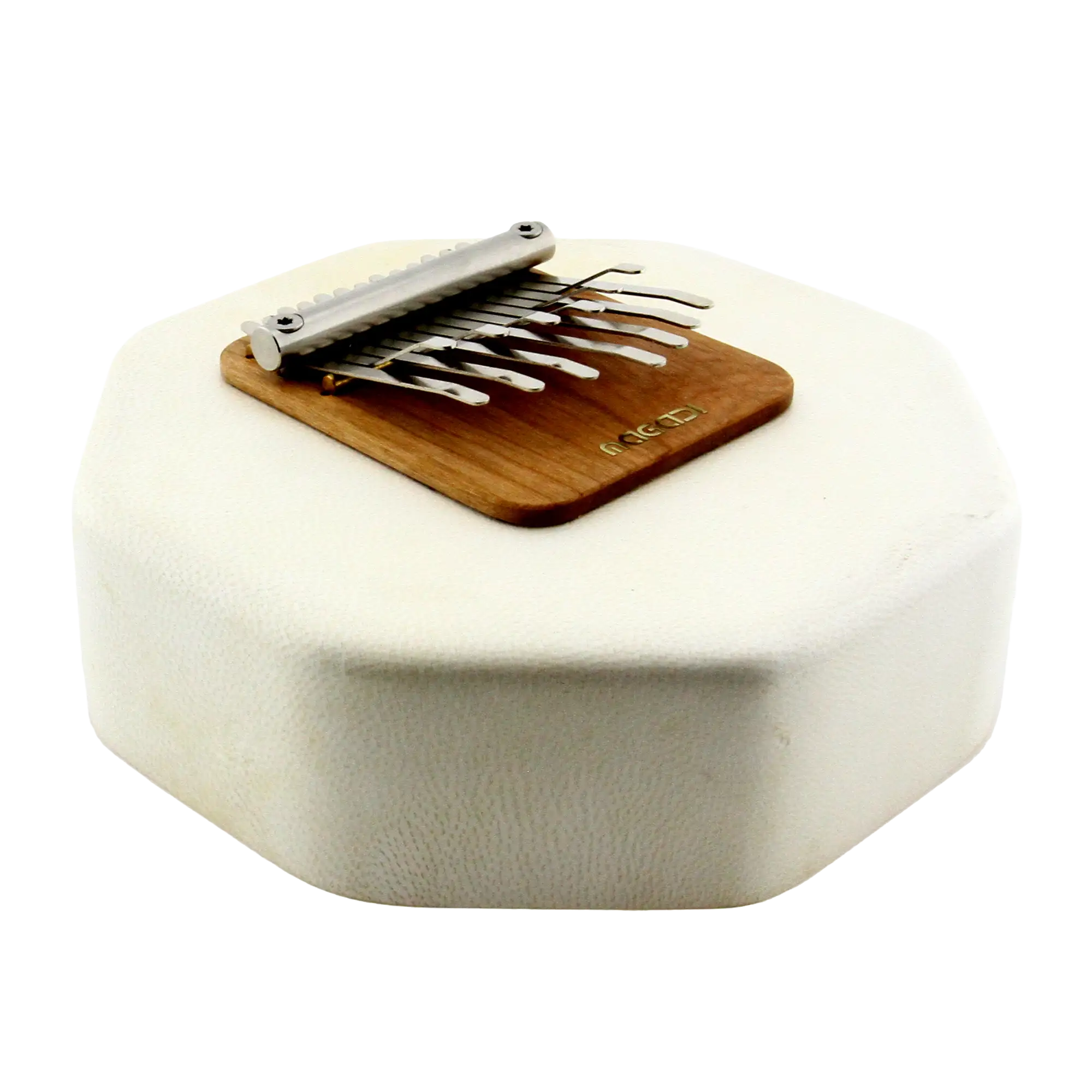
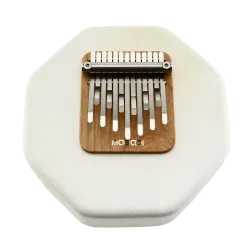
At 17 × 17 × 5 centimetres and weighing 0.6 kilograms, the instrument settles comfortably on your lap or in your hands without feeling insubstantial. The octagonal frame distributes this modest weight evenly, which matters during longer playing sessions when fatigue becomes a factor. The compact footprint makes it genuinely portable—suitable for travel, group playing, or simply moving between rooms.

Getting Started

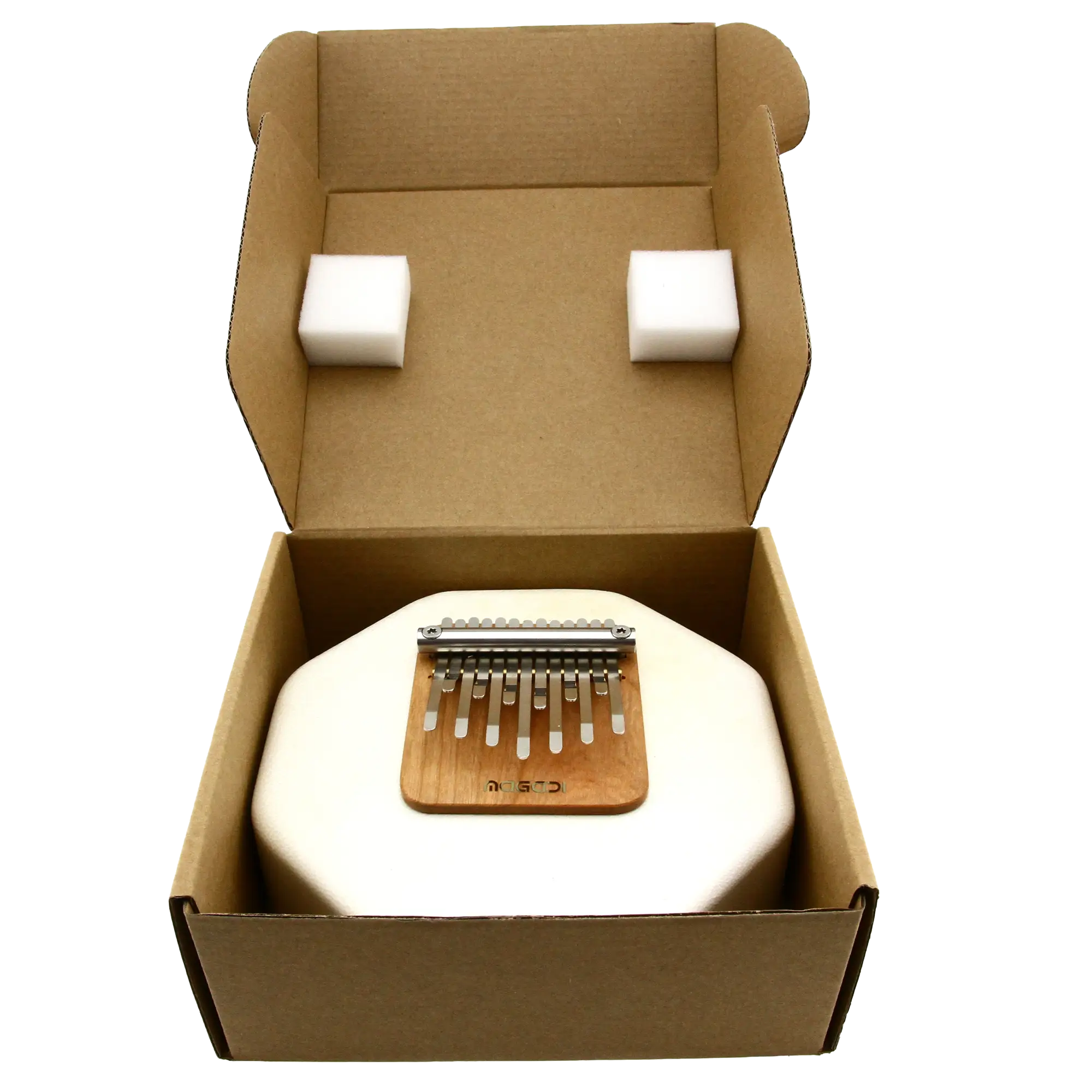
You receive the kalimba ready to play. No assembly or tuning adjustment is required. The goat skin membrane is already stretched and tensioned. Begin with simple single-note melodies to familiarize yourself with the layout and the feel of the tines under your thumbs. Once basic plucking becomes natural, experiment with hand position and muting—place your hand gently against the membrane and observe how the tone shifts. Each player develops their own approach to these techniques, and the instrument's design encourages that discovery.

The kalimba with membrane remains a working instrument in both contemporary world music contexts and among individual musicians exploring expressive percussion.


Price: €94.60
SKU KALCN-12-CONF Category Kalimba & Mbira

Magadi Kalimba M13 Star C Major — A 13-key membrane kalimba tuned to C major diatonic, handcrafted with a robust goatskin membrane stretched over a wooden frame with steel tines. The octagonal design distributes weight evenly for comfortable playing, while the membrane construction allows dynamic tonal shaping through hand movement and dampening techniques—creating wah-wah effects and sweeping tonal shifts beyond standard note-playing. At 17 × 17 × 5 cm and 0.6 kg, it's portable yet substantial. The diatonic tuning means every note harmonizes naturally, making it ideal for improvisation, teaching, and performance without requiring years of music theory. A reliable instrument for both beginners seeking immediate musicality and experienced players exploring rhythmic complexity.

Weight 0,6kg
Origin China
Dimensions 17,0 × 17,0 × 5,0 cm
Materials Bois - Acier - Peau de chèvre
Type Box kalimba
Tines 13 Tines

Magadi Kalimba M13 Star C Major

The M13 Star is a membrane kalimba—a thumb piano whose wooden body is fitted with a stretched goat skin membrane that responds dynamically to your playing. This distinguishes it fundamentally from solid-bodied kalimbas. The membrane transforms the instrument from a fixed-pitch percussion tool into something with real tonal flexibility; hand position, pressure, and muting techniques all shape the sound in real time, giving you expressive control that extends far beyond simply striking steel tines.

What Makes the Membrane Design Different

On a solid kalimba, each note has a fixed pitch and character. The M13 Star's membrane allows you to bend and color that pitch after you strike it. By moving your hands across the membrane surface and varying your muting technique, you can create sweeping pitch slides, wah-wah effects, and tonal modulation that a rigid instrument cannot produce. These are not ornamental flourishes—they are fundamental to what the instrument is and why someone would choose a membrane version over a standard model.

The learning curve is progressive. New players typically begin with simple note-striking and naturally discover hand-muting effects as they become familiar with the instrument. The membrane rewards experimentation; small shifts in hand position produce audible tonal differences, encouraging you to develop your own voice on the instrument.

Construction and Materials

Three materials form the complete instrument: wood provides the structural body and frame; steel delivers the 13 playable tines; goat skin serves as the active resonant membrane. Each material has a specific role. The wood and frame establish the resonant cavity and the anchor point. The steel tines, when plucked, generate the initial pitch. The goat skin membrane then modulates and colors that pitch, responding to subtle hand movements during play.

This layering of materials is not decorative—it directly shapes what the instrument can do musically. A solid kalimba of the same size cannot produce the wah-wah effects or fluid pitch-bending that this membrane design permits. You are not buying a simplified version of something; you are buying an instrument with its own distinct capabilities.

Tuning and Harmonic Simplicity

The M13 is tuned in diatonic C major—all 13 notes belong to the C major scale and harmonize naturally with one another. This means that any combination of notes you play will sound musically coherent. You do not have to think about which notes "work" together; the tuning system guarantees musical results from the moment you begin exploring the instrument.

This design choice makes the kalimba genuinely accessible to beginners with no musical training, while remaining substantial enough for improvisation and composition. A beginner can pick it up and make music that sounds intentional. An experienced musician can use the diatonic framework as a foundation for rhythmic exploration and melodic development.

Physical Format and Portability

At 17 × 17 × 5 centimetres and weighing 0.6 kilograms, the instrument settles comfortably on your lap or in your hands without feeling insubstantial. The octagonal frame distributes this modest weight evenly, which matters during longer playing sessions when fatigue becomes a factor. The compact footprint makes it genuinely portable—suitable for travel, group playing, or simply moving between rooms.

Getting Started

You receive the kalimba ready to play. No assembly or tuning adjustment is required. The goat skin membrane is already stretched and tensioned. Begin with simple single-note melodies to familiarize yourself with the layout and the feel of the tines under your thumbs. Once basic plucking becomes natural, experiment with hand position and muting—place your hand gently against the membrane and observe how the tone shifts. Each player develops their own approach to these techniques, and the instrument's design encourages that discovery.

The kalimba with membrane remains a working instrument in both contemporary world music contexts and among individual musicians exploring expressive percussion.

Comments (0)
No customer reviews for the moment.

You may also like