Duduk Tenor A
Duduk Tenor A
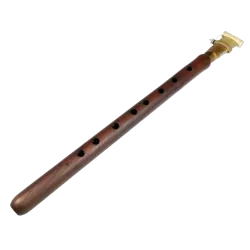
The duduk is a double-reed wind instrument with a warm, mellow tone that has become familiar through film soundtracks and meditative music. This Tenor A version is the most widely played pitch, making it the standard choice for both those new to world instruments and experienced musicians seeking to expand their ensemble capabilities.
Construction and Materials
The instrument is carved from aged apricot wood, a material choice that directly contributes to its characteristic smooth, rounded sound. The wood's density and grain structure allow for the subtle tonal qualities the duduk is known for, while its workability permits the precise bore shaping required for consistent intonation across the range.
The Ghamish Reed
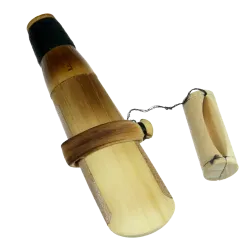
The double-reed mouthpiece, called a Ghamish, is broader and longer than the reeds found on other double-reed instruments. This structural difference is the primary reason for the duduk's distinctive smooth timbre. Each Ghamish is individually crafted and requires careful preparation before and during use.
Before playing, the Ghamish should be warmed and moistened gradually. Hold it loosely between your lips at a position slightly lower than where you will play, and wet it gently. The reed will open slowly on its own—you may hear a slight cracking sound, which is normal and not a sign of damage. To complete the warming process, reverse the reed so the wrapped end is in your mouth and breathe calmly for several minutes. This gradual hydration and warming prevents the rapid moisture absorption that causes permanent cracking. Do not soak the Ghamish in water, as this accelerates the opening process and will render it unplayable.
During manufacture, the Ghamish is shaped carefully over two weeks to prevent cracking. Store the reed separately from the instrument when not in use. A practical storage solution is an inexpensive eyeglass hard case with drilled ventilation holes to maintain air circulation.
Sound and Musical Application
The Tenor A tuning produces a pitch that suits both the instrument's physical proportions and its musical role. Most written music for the duduk is composed in this key, making it the accessible entry point for players of varying experience levels. The warm, slightly melancholic character of the instrument has made it a standard choice in film scores and relaxation recordings, though its tonal depth supports a wide range of musical contexts.
What's Included
- One Duduk Tenor A in A tuning
- One Ghamish reed
- Cleaning cloth
- Handcrafted flute bag made from woven fabric with traditional Armenian ornamentation
Getting Started
Both the instrument and the Ghamish require time to be played warm and wet before they reach their full sonic potential. Begin with the reed preparation described above, then allow the wood itself to warm gradually through playing. This conditioning period is normal and necessary for optimal sound development.
The duduk remains central to Armenian musical tradition and continues to be played across the broader Middle Eastern and Mediterranean regions.
Duduk Tenor A — A traditional Armenian woodwind with a warm, melancholic voice, handcrafted from aged apricot wood and tuned to the key of A. This tenor-sized double-reed instrument is the most widely played version of the duduk, favored equally by beginners discovering world instruments and experienced musicians adding it to ensemble work. Comes with a Ghamish mouthpiece, reed, and care cloth. Hear the ancient sound of Armenia—the instrument behind film scores and meditative performance.
| Origin | Armenia |
|---|---|
| Dimensions | 35,5 cm |
| Materials | Apricot wood |
⚠Caution: Not suitable for children under 3 years. Please supervise older children. Beware of swallowing small parts, strangulation, material allergies, sharp edges and points! Use only for sound generation. No liability for improper use.
✦Care: Extreme temperature fluctuations, humidity and direct sunlight can affect the lifespan. Please store in balanced humidity to prevent material changes, mold and corrosion. Remove dirt with a damp cloth. Dry after cleaning and each use.
♻Disposal: Please contact your local waste disposal authority for information on environmentally sound disposal!
Duduk Tenor A
The duduk is a double-reed wind instrument with a warm, mellow tone that has become familiar through film soundtracks and meditative music. This Tenor A version is the most widely played pitch, making it the standard choice for both those new to world instruments and experienced musicians seeking to expand their ensemble capabilities.
Construction and Materials
The instrument is carved from aged apricot wood, a material choice that directly contributes to its characteristic smooth, rounded sound. The wood's density and grain structure allow for the subtle tonal qualities the duduk is known for, while its workability permits the precise bore shaping required for consistent intonation across the range.
The Ghamish Reed
The double-reed mouthpiece, called a Ghamish, is broader and longer than the reeds found on other double-reed instruments. This structural difference is the primary reason for the duduk's distinctive smooth timbre. Each Ghamish is individually crafted and requires careful preparation before and during use.
Before playing, the Ghamish should be warmed and moistened gradually. Hold it loosely between your lips at a position slightly lower than where you will play, and wet it gently. The reed will open slowly on its own—you may hear a slight cracking sound, which is normal and not a sign of damage. To complete the warming process, reverse the reed so the wrapped end is in your mouth and breathe calmly for several minutes. This gradual hydration and warming prevents the rapid moisture absorption that causes permanent cracking. Do not soak the Ghamish in water, as this accelerates the opening process and will render it unplayable.
During manufacture, the Ghamish is shaped carefully over two weeks to prevent cracking. Store the reed separately from the instrument when not in use. A practical storage solution is an inexpensive eyeglass hard case with drilled ventilation holes to maintain air circulation.
Sound and Musical Application
The Tenor A tuning produces a pitch that suits both the instrument's physical proportions and its musical role. Most written music for the duduk is composed in this key, making it the accessible entry point for players of varying experience levels. The warm, slightly melancholic character of the instrument has made it a standard choice in film scores and relaxation recordings, though its tonal depth supports a wide range of musical contexts.
What's Included
- One Duduk Tenor A in A tuning
- One Ghamish reed
- Cleaning cloth
- Handcrafted flute bag made from woven fabric with traditional Armenian ornamentation
Getting Started
Both the instrument and the Ghamish require time to be played warm and wet before they reach their full sonic potential. Begin with the reed preparation described above, then allow the wood itself to warm gradually through playing. This conditioning period is normal and necessary for optimal sound development.
The duduk remains central to Armenian musical tradition and continues to be played across the broader Middle Eastern and Mediterranean regions.
Your review appreciation cannot be sent
Report comment
Report sent
Your report cannot be sent
Write your review
Review sent
Your review cannot be sent