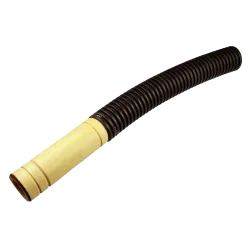
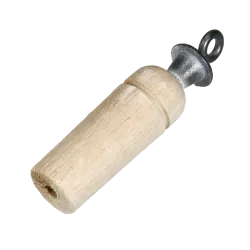
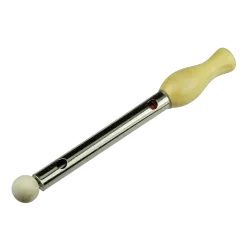
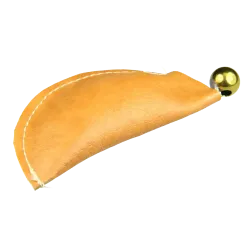
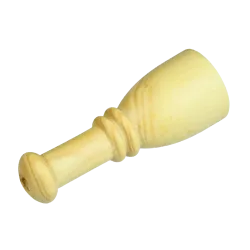
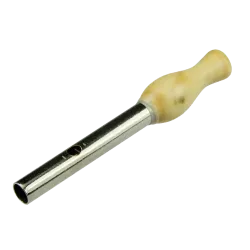
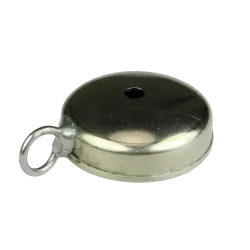
Birdcall Mallard (small model)
Mallard Call — Small Model
A small French-made bird call designed to reproduce the vocalizations of the mallard duck. This is a straightforward effects instrument: blow into it to produce authentic mallard sounds, or experiment with the range of tones and variations the design permits.
How It Works
The instrument responds directly to breath control. Varying your breath pressure and mouth shape produces different calls and effects. Beginners can generate recognizable mallard sounds with minimal practice, while those who develop a more refined technique can access subtler variations and a wider tonal palette.
Construction and Materials
Handcrafted according to traditional techniques, the call is compact and lightweight, making it portable enough to carry on nature walks or field observation outings. The small model's design prioritizes ease of use and responsiveness to breath without sacrificing acoustic range.
Practical Applications
Waterfowl observers use calls like this to attract or locate mallards in their natural habitat. The instrument also serves as an introduction for children to animal communication and the sounds of wild birds. Beyond documentary use, it functions simply as a novelty sound-making device—the design permits playful experimentation with a variety of tones and effects unrelated to authentic duck calls.
Bird calls remain a traditional tool in field ornithology and wildlife observation, bridging human curiosity about animal communication with direct, unmediated interaction in natural settings.
Birdcall Mallard (small model) — A French-made duck call that reproduces the authentic vocalizations of the mallard with precision and ease. Hand-crafted using traditional techniques, this compact bird call responds readily to breath control, making it accessible to beginners while rewarding those who develop subtle technique. At 16.5 cm long and weighing just 70 grams, it fits easily into a pocket for nature walks, birdwatching, or teaching children about animal communication. Whether you're observing waterfowl in their habitat, introducing young people to the sounds of the wild, or simply exploring the traditional art of bird calling, this small instrument opens a direct connection to the natural world.
| Origin | France |
|---|---|
| Weight | 0,07 kg |
| Dimensions | 16,5 × 4,0 × 4,0 cm |
⚠Caution: Not suitable for children under 3 years. Please supervise older children. Beware of swallowing small parts, strangulation, material allergies, sharp edges and points! Use only for sound generation. No liability for improper use.
✦Care: Extreme temperature fluctuations, humidity and direct sunlight can affect the lifespan. Please store in balanced humidity to prevent material changes, mold and corrosion. Remove dirt with a damp cloth. Dry after cleaning and each use.
♻Disposal: Please contact your local waste disposal authority for information on environmentally sound disposal!
Mallard Call — Small Model
A small French-made bird call designed to reproduce the vocalizations of the mallard duck. This is a straightforward effects instrument: blow into it to produce authentic mallard sounds, or experiment with the range of tones and variations the design permits.
How It Works
The instrument responds directly to breath control. Varying your breath pressure and mouth shape produces different calls and effects. Beginners can generate recognizable mallard sounds with minimal practice, while those who develop a more refined technique can access subtler variations and a wider tonal palette.
Construction and Materials
Handcrafted according to traditional techniques, the call is compact and lightweight, making it portable enough to carry on nature walks or field observation outings. The small model's design prioritizes ease of use and responsiveness to breath without sacrificing acoustic range.
Practical Applications
Waterfowl observers use calls like this to attract or locate mallards in their natural habitat. The instrument also serves as an introduction for children to animal communication and the sounds of wild birds. Beyond documentary use, it functions simply as a novelty sound-making device—the design permits playful experimentation with a variety of tones and effects unrelated to authentic duck calls.
Bird calls remain a traditional tool in field ornithology and wildlife observation, bridging human curiosity about animal communication with direct, unmediated interaction in natural settings.
Your review appreciation cannot be sent
Report comment
Report sent
Your report cannot be sent
Write your review
Review sent
Your review cannot be sent