Birdcall Hoopoe
Birdcall Hoopoe — Hoopoe Call Imitator
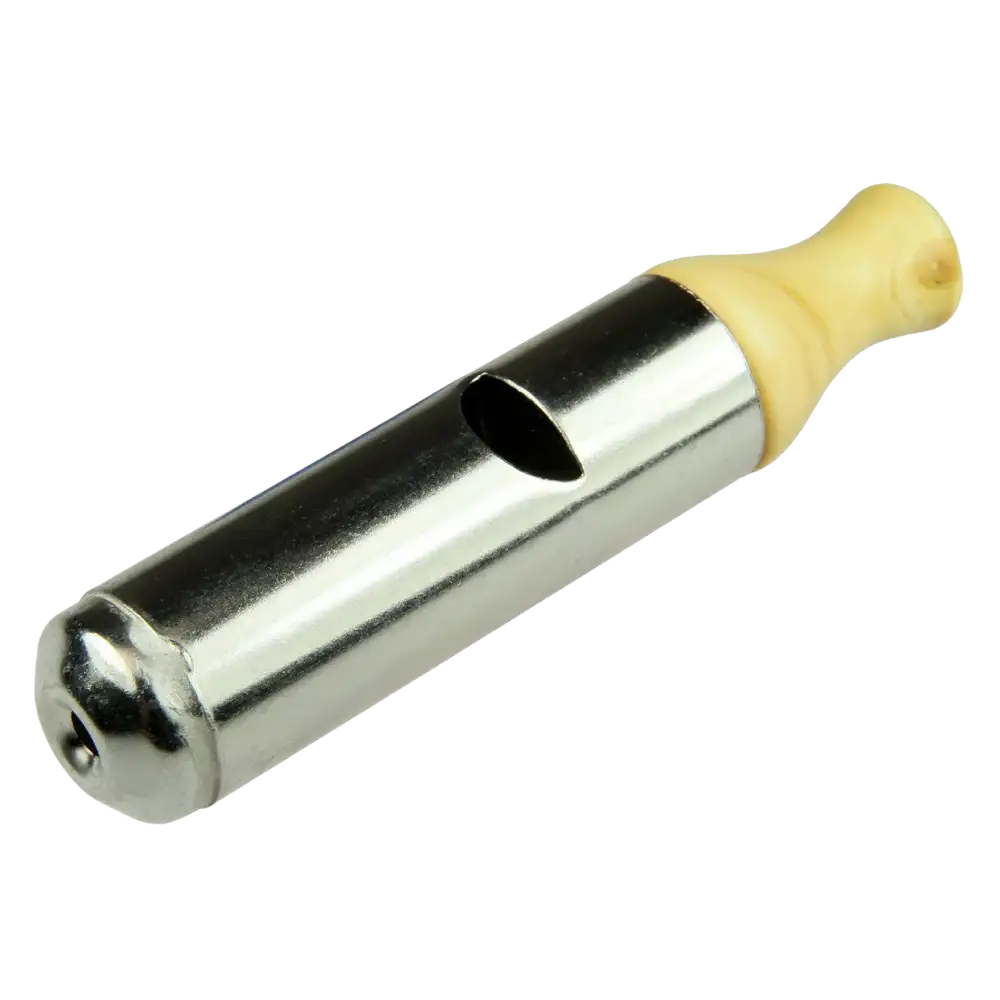
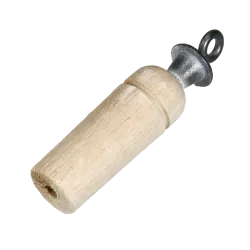
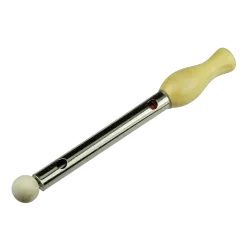
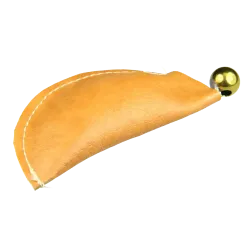
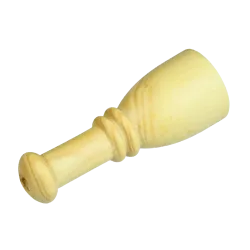
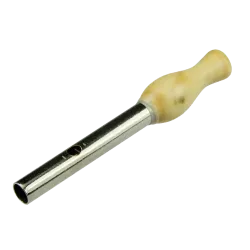
A small, hand-crafted wooden call designed to reproduce the distinctive three-note call of the Hoopoe bird. This is a functional effects instrument — one that works by blowing air through a precisely tuned chamber to produce a recognizable avian sound.
Construction and Materials
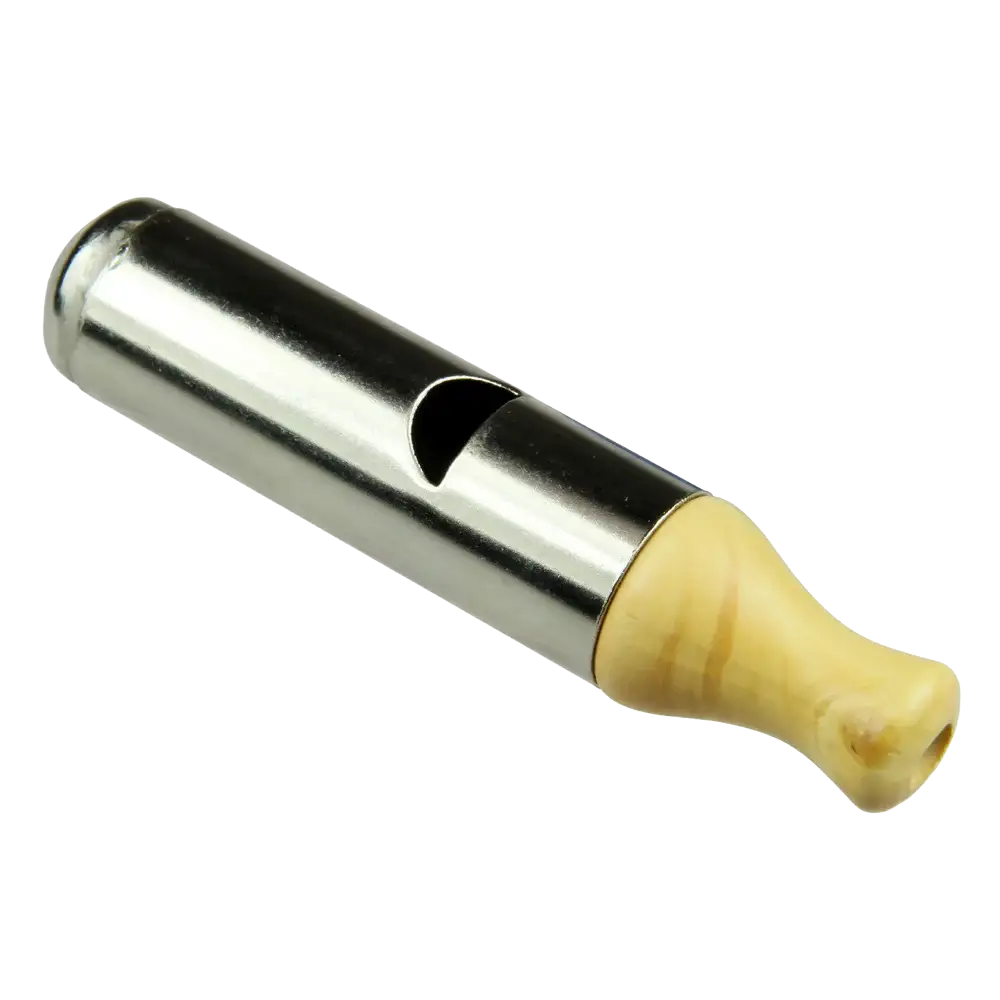
The bird call is made from boxwood and maillechort (a copper-nickel alloy), materials chosen for their acoustic properties and durability. The boxwood provides the resonating body; the maillechort adds structural definition and tonal precision to the call.
At 11.5 centimetres, the instrument is compact and portable — sized to fit easily in a pocket or field bag. It requires no assembly and is ready to use immediately upon arrival.
Sound and Playing Technique
The Hoopoe's natural call consists of three distinct notes in a characteristic rhythm — the pattern that this bird call is tuned to replicate. You produce the sound by blowing gently and steadily through the mouthpiece, controlling the pitch and articulation through breath pressure and timing. Varying your breathing rhythm allows you to match the bird's natural phrasing and create convincing imitations.
Beyond the primary Hoopoe call, the instrument can be used to generate a range of other bird-like and abstract sounds through experimentation with breath control and embouchure — making it useful for sound design, field recording, or simple exploration of what the call can produce.
Uses and Applications
Bird-call imitators have long served ornithologists and birdwatchers as practical tools for attracting and observing wild birds in their habitat. The bird call is equally suited to amateur naturalists, sound designers seeking authentic avian recordings, and anyone interested in traditional sound-making devices. Its simplicity and effectiveness make it accessible to users of any age or experience level.
What's Included
The bird call arrives ready to play — no additional components, tuning, or preparation required.
Care and Use
Boxwood is naturally durable but benefits from occasional light cleaning with a dry cloth to remove dust and moisture. Store in a dry environment to preserve the wood and maintain tonal clarity over time.
Bird-call imitators remain practical instruments across European ornithology and nature observation, valued for their simplicity and the immediacy of their effect on wild birds.
Birdcall Hoopoe — Traditional French bird call handcrafted from polished boxwood by Manufacture Les Appeaux Hélen Baud, precisely tuned to reproduce the hoopoe's distinctive three-note "houp-houp-houp" call. At 11.5 cm, this compact bird call is ready to use for birdwatchers, nature enthusiasts, and sound designers seeking authentic bird imitation. Master the rhythmic pattern with gentle, controlled breathing to bring the hoopoe's voice to life.
| Origin | France |
|---|---|
| Weight | 0,04 kg |
| Dimensions | 11,5 × 2,5 × 2,5 cm |
| Materials | Boxwood - German silver |
| Species | Eurasian Hoopoe |
⚠Caution: Not suitable for children under 3 years. Please supervise older children. Beware of swallowing small parts, strangulation, material allergies, sharp edges and points! Use only for sound generation. No liability for improper use.
✦Care: Extreme temperature fluctuations, humidity and direct sunlight can affect the lifespan. Please store in balanced humidity to prevent material changes, mold and corrosion. Remove dirt with a damp cloth. Dry after cleaning and each use.
♻Disposal: Please contact your local waste disposal authority for information on environmentally sound disposal!
Birdcall Hoopoe — Hoopoe Call Imitator
A small, hand-crafted wooden call designed to reproduce the distinctive three-note call of the Hoopoe bird. This is a functional effects instrument — one that works by blowing air through a precisely tuned chamber to produce a recognizable avian sound.
Construction and Materials
The bird call is made from boxwood and maillechort (a copper-nickel alloy), materials chosen for their acoustic properties and durability. The boxwood provides the resonating body; the maillechort adds structural definition and tonal precision to the call.
At 11.5 centimetres, the instrument is compact and portable — sized to fit easily in a pocket or field bag. It requires no assembly and is ready to use immediately upon arrival.
Sound and Playing Technique
The Hoopoe's natural call consists of three distinct notes in a characteristic rhythm — the pattern that this bird call is tuned to replicate. You produce the sound by blowing gently and steadily through the mouthpiece, controlling the pitch and articulation through breath pressure and timing. Varying your breathing rhythm allows you to match the bird's natural phrasing and create convincing imitations.
Beyond the primary Hoopoe call, the instrument can be used to generate a range of other bird-like and abstract sounds through experimentation with breath control and embouchure — making it useful for sound design, field recording, or simple exploration of what the call can produce.
Uses and Applications
Bird-call imitators have long served ornithologists and birdwatchers as practical tools for attracting and observing wild birds in their habitat. The bird call is equally suited to amateur naturalists, sound designers seeking authentic avian recordings, and anyone interested in traditional sound-making devices. Its simplicity and effectiveness make it accessible to users of any age or experience level.
What's Included
The bird call arrives ready to play — no additional components, tuning, or preparation required.
Care and Use
Boxwood is naturally durable but benefits from occasional light cleaning with a dry cloth to remove dust and moisture. Store in a dry environment to preserve the wood and maintain tonal clarity over time.
Bird-call imitators remain practical instruments across European ornithology and nature observation, valued for their simplicity and the immediacy of their effect on wild birds.

Your review appreciation cannot be sent
Report comment
Report sent
Your report cannot be sent
Write your review
Review sent
Your review cannot be sent