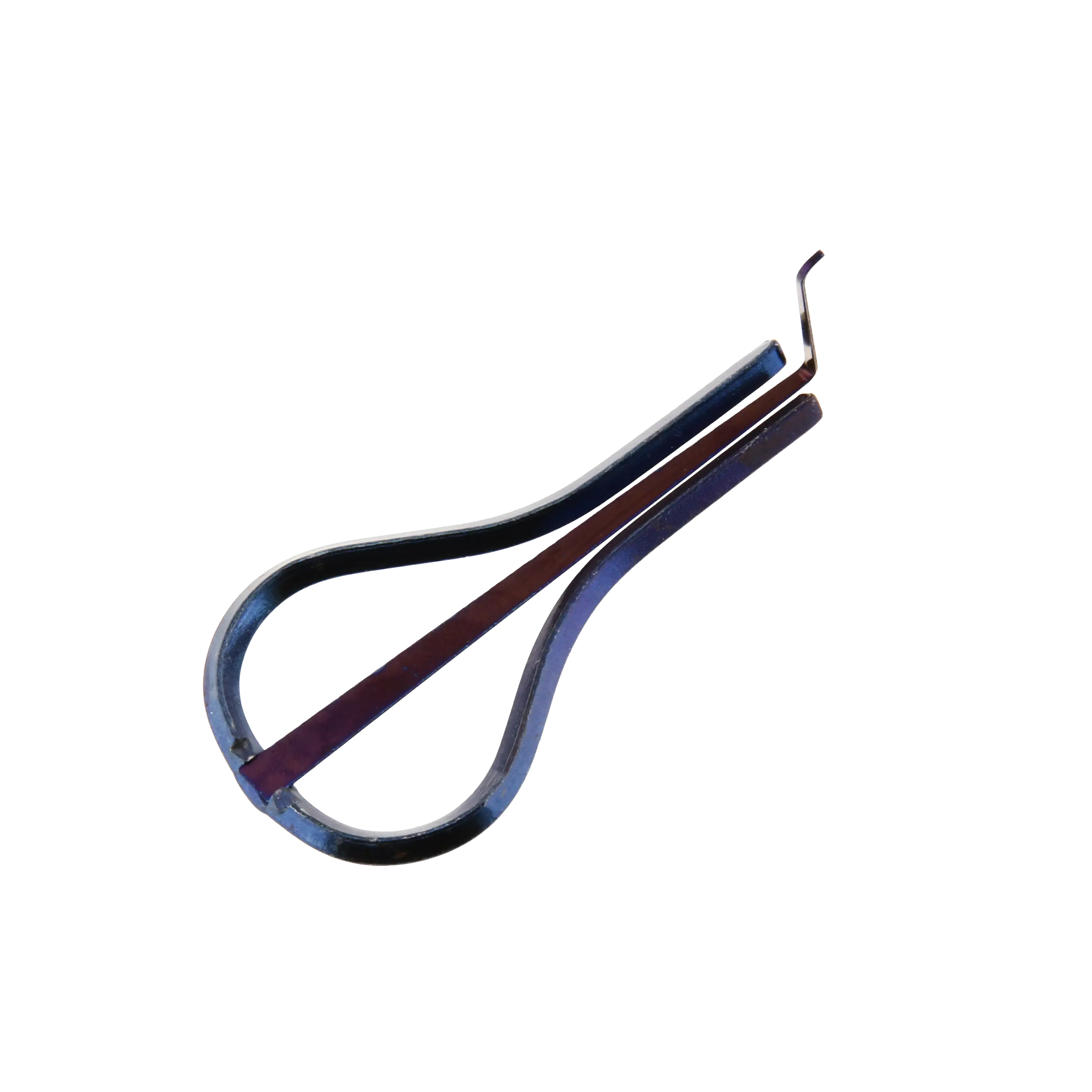
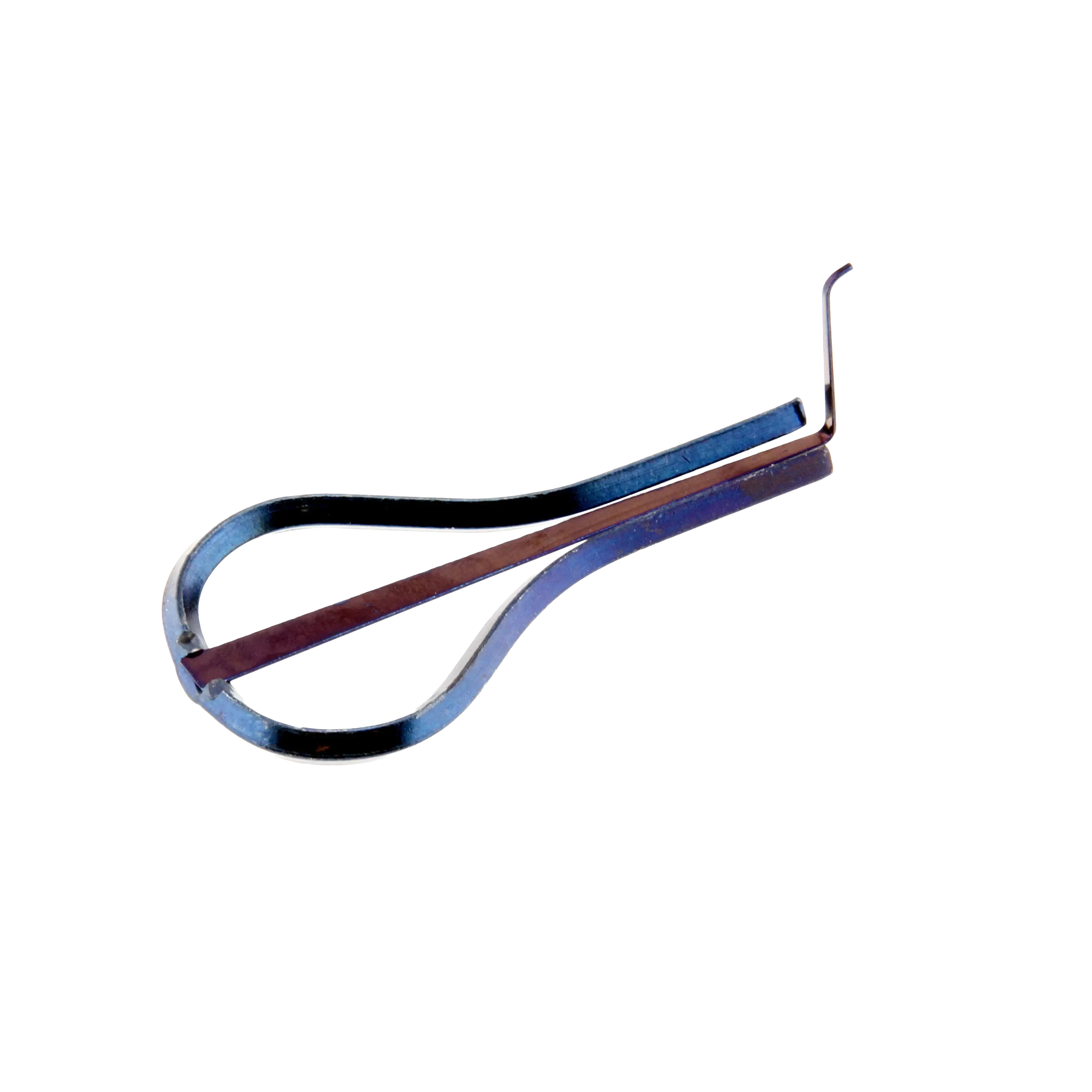
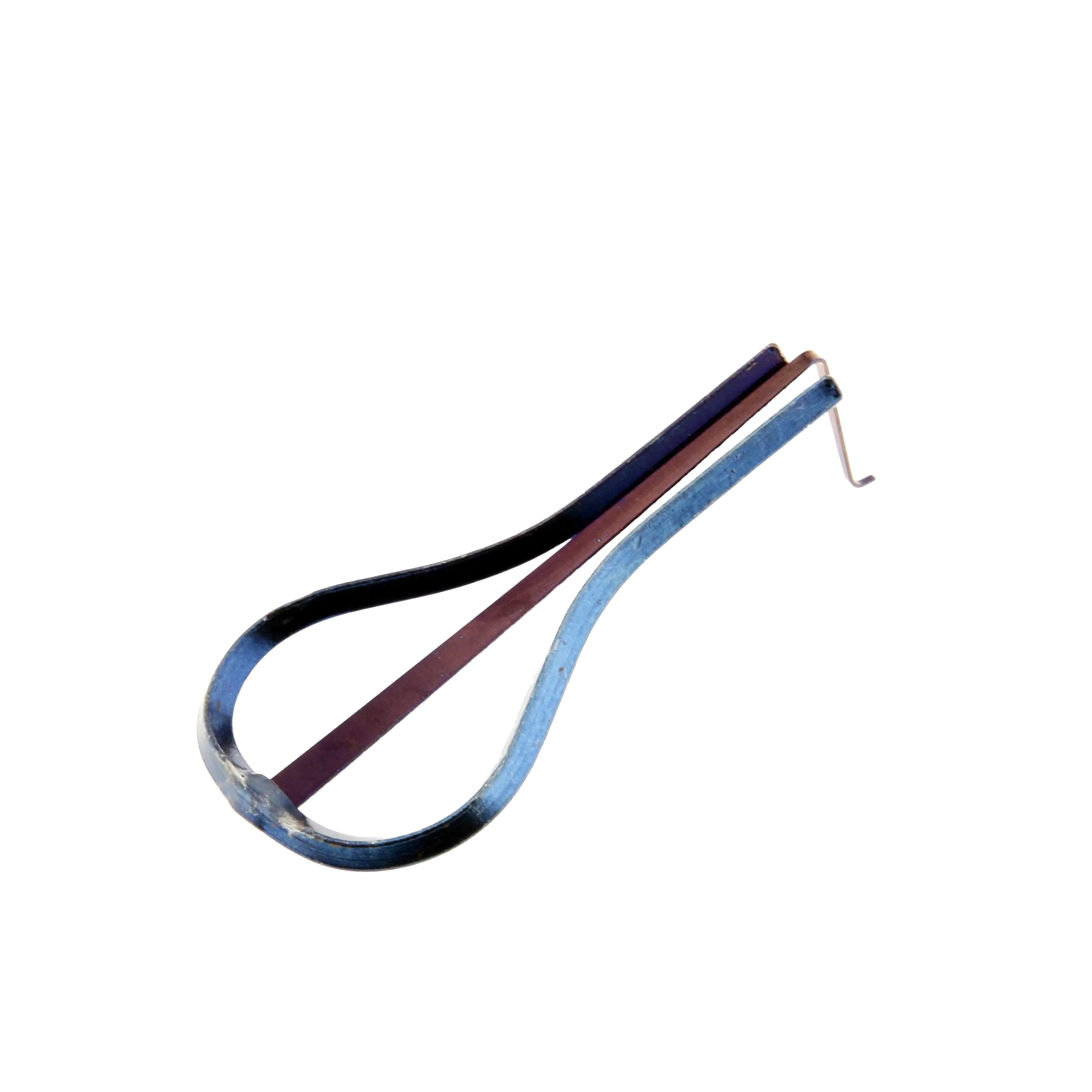
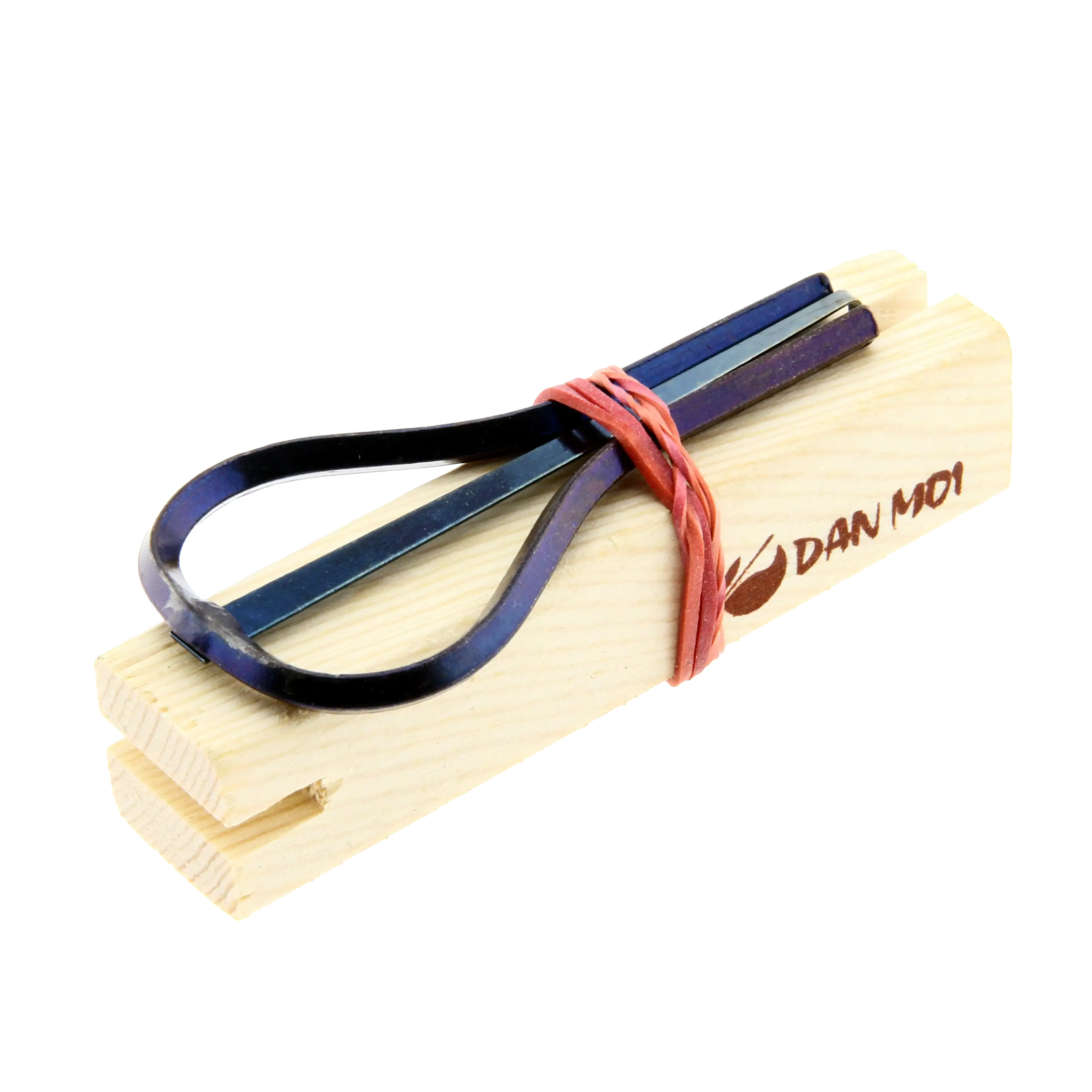
This steel jaw harp follows a design documented in jaw harps from the 18th century, offering a straightforward entry point for players new to the instrument. Handmade in Molln, Upper Austria, it represents continuous production by the Wimmer-Bades family workshop across multiple generations. The frame and reed are steel, heat-treated to a distinctive cornflower blue tarnish that develops naturally with the manufacturing process.
Sound and Playing Characteristics
The instrument produces a direct, unadorned tone that responds clearly to changes in mouth cavity shape and breath pressure. This responsiveness to oral modulation makes it accessible for beginners learning to control pitch and timbre without the complexity of more elaborate designs. The simplicity of the sound reflects the straightforward construction and materials, which also means the player encounters fewer variables when developing basic technique.
Historical Design
The pear shape derives from jaw harps in active use during the 18th century, a period when the instrument was widespread across Europe. This form represents a functional design refined over centuries of practical use rather than modern aesthetic invention. The choice to reproduce this historical profile connects the player directly to an established tradition of jaw harp construction and playing.
What's Included
Transport blocks for protection during storage and travel
Quick-start guide to facilitate first use
The jaw harp remains a foundational rhythm instrument across European folk traditions, played in ensemble and solo contexts where its portability and tonal clarity serve both ceremonial and recreational purposes.
Jaw Harp Wimmer-Bades Pear-Shaped — A compact jaw harp inspired by 18th-century designs, handcrafted in Molln, Austria by the Wimmer-Bades family. This steel-framed instrument with its distinctive blued finish produces clear, direct tones that respond well to mouth-cavity shaping, making it an ideal entry point for beginners. At just 8 cm and 18 grams, it's portable and forgiving, delivering authentic folk character without the learning curve of more complex models. Includes transport blocks and quick-start guide. A gateway to centuries of jaw harp tradition, made accessible and affordable.
⚠Caution:
Not suitable for children under 3 years. Please supervise older children. Beware of swallowing small parts, strangulation, material allergies, sharp edges and points! Use only for sound generation. No liability for improper use.
✦Care:
Extreme temperature fluctuations, humidity and direct sunlight can affect the lifespan. Please store in balanced humidity to prevent material changes, mold and corrosion. Remove dirt with a damp cloth. Dry after cleaning and each use.
♻Disposal:
Please contact your local waste disposal authority for information on environmentally sound disposal!
Cet instrument vous a touché ? Faites-le découvrir.
La musique du monde se transmet — partagez cette découverte.
This steel jaw harp follows a design documented in jaw harps from the 18th century, offering a straightforward entry point for players new to the instrument. Handmade in Molln, Upper Austria, it represents continuous production by the Wimmer-Bades family workshop across multiple generations. The frame and reed are steel, heat-treated to a distinctive cornflower blue tarnish that develops naturally with the manufacturing process.
Sound and Playing Characteristics
The instrument produces a direct, unadorned tone that responds clearly to changes in mouth cavity shape and breath pressure. This responsiveness to oral modulation makes it accessible for beginners learning to control pitch and timbre without the complexity of more elaborate designs. The simplicity of the sound reflects the straightforward construction and materials, which also means the player encounters fewer variables when developing basic technique.
Historical Design
The pear shape derives from jaw harps in active use during the 18th century, a period when the instrument was widespread across Europe. This form represents a functional design refined over centuries of practical use rather than modern aesthetic invention. The choice to reproduce this historical profile connects the player directly to an established tradition of jaw harp construction and playing.
What's Included
Transport blocks for protection during storage and travel
Quick-start guide to facilitate first use
The jaw harp remains a foundational rhythm instrument across European folk traditions, played in ensemble and solo contexts where its portability and tonal clarity serve both ceremonial and recreational purposes.
Recently viewed
Category: Bird Calls
Birdcall European Golden Plover
€20.24
Comments (0)
No customer reviews for the moment.
Your review appreciation cannot be sent
Report comment
Are you sure that you want to report this comment?
Report sent
Your report has been submitted and will be considered by a moderator.
Your report cannot be sent
Write your review
Review sent
Your comment has been submitted and will be available once approved by a moderator.
Your review cannot be sent
You might also like
Svein Westad - Munnharpas Verden
€16.78
Navrang - Live in Ulm
€14.19
Daisuke Hare - Hoshizora Kohkin
€17.64
North American Jaw Harp Festival - Highlights of
€15.05
Daisuke Hare - Koukin
€17.64
Bamboo Jaw Harp Genggong Without String
€7.27
Bamboo Jaw Harp Angkuoch
€9.77
Bamboo Jaw Harp Kubing 25
€6.32
check_circle
check_circle
We use third-party cookies to improve your browsing experience, analyze website traffic, and personalize content and ads. Learn more