Jaw Harp Vargan Glazyrin Skiff
Guimbarde Vargan Glazyrin Skiff
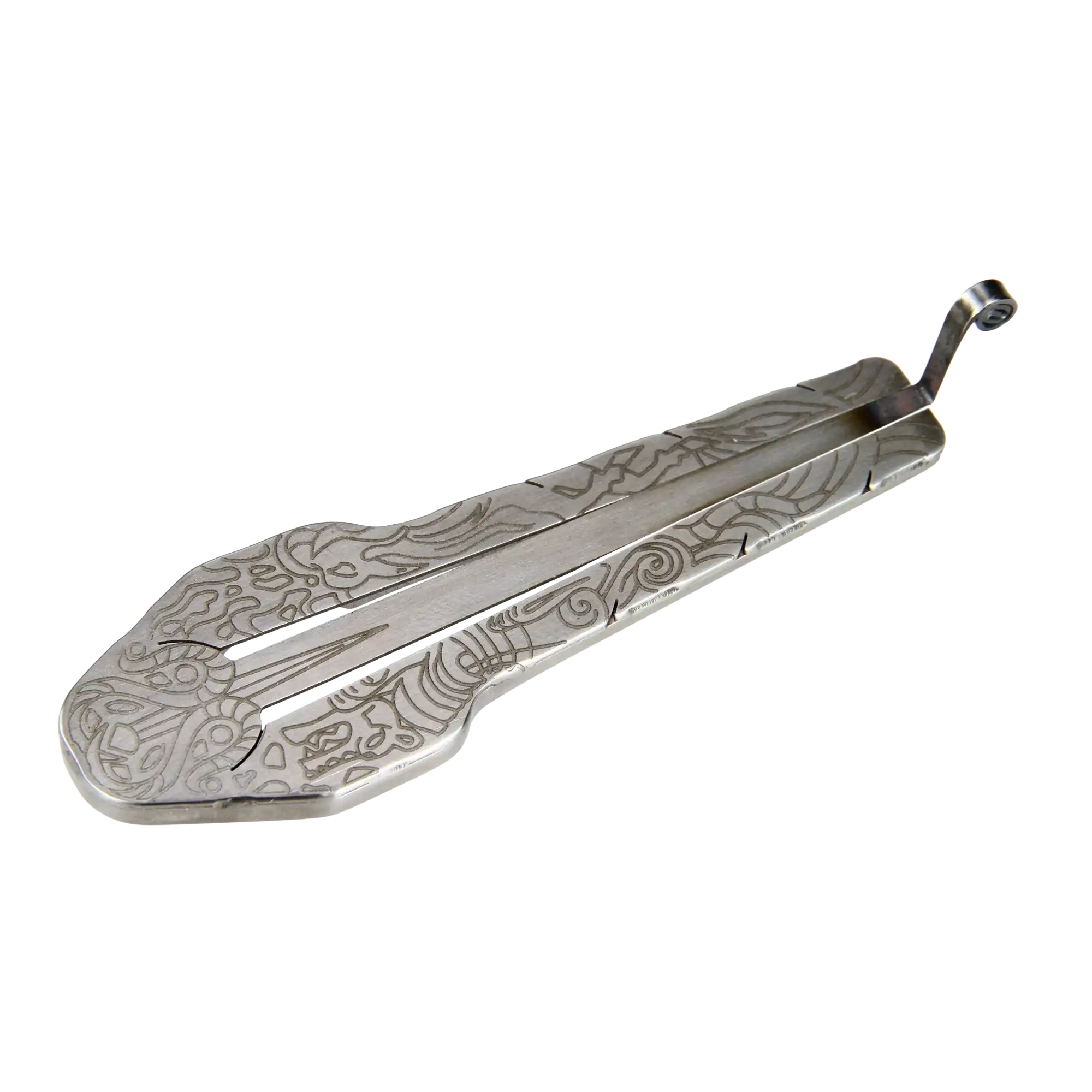
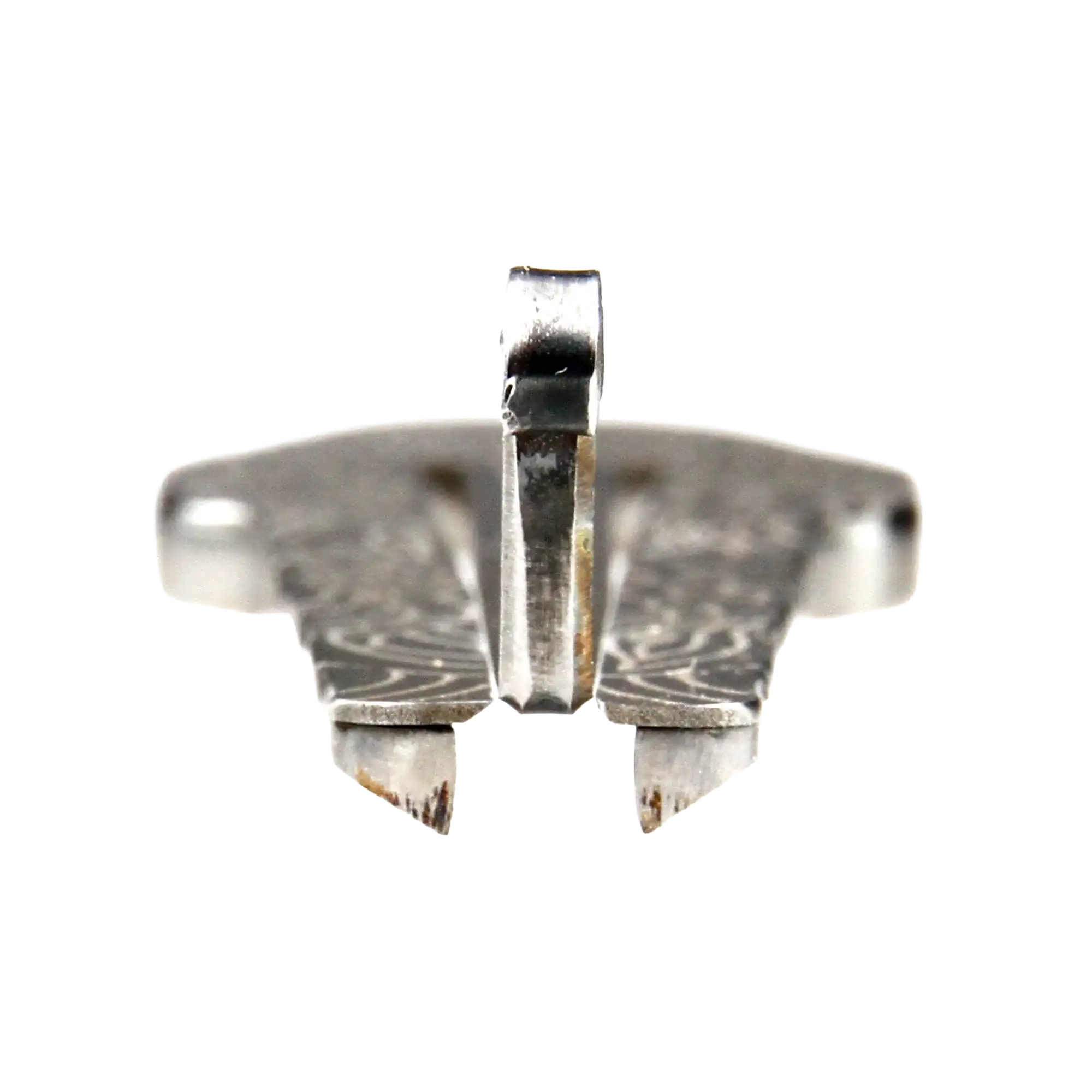
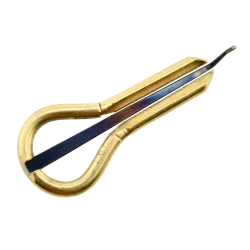
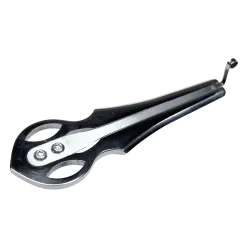
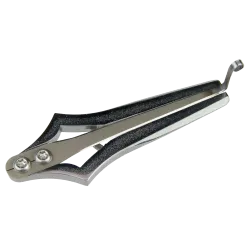
The Vargan Skiff represents a departure from conventional jaw harp construction. Rather than assembling the reed and frame as separate components—a method that risks movement or misalignment—the craftsman integrates both from a single piece of spring steel, then affixes this unified assembly to a sturdy classical frame. The result is a reed that cannot slip, with minimal clearance between frame and vibrating element.
Construction and Sound
The monolithic reed plate delivers a sound that is clean and balanced, with pronounced overtone complexity. The tightly controlled tolerances between frame and reed contribute directly to this clarity; the instrument produces a brilliant tone without muddiness or loss of definition across its range.
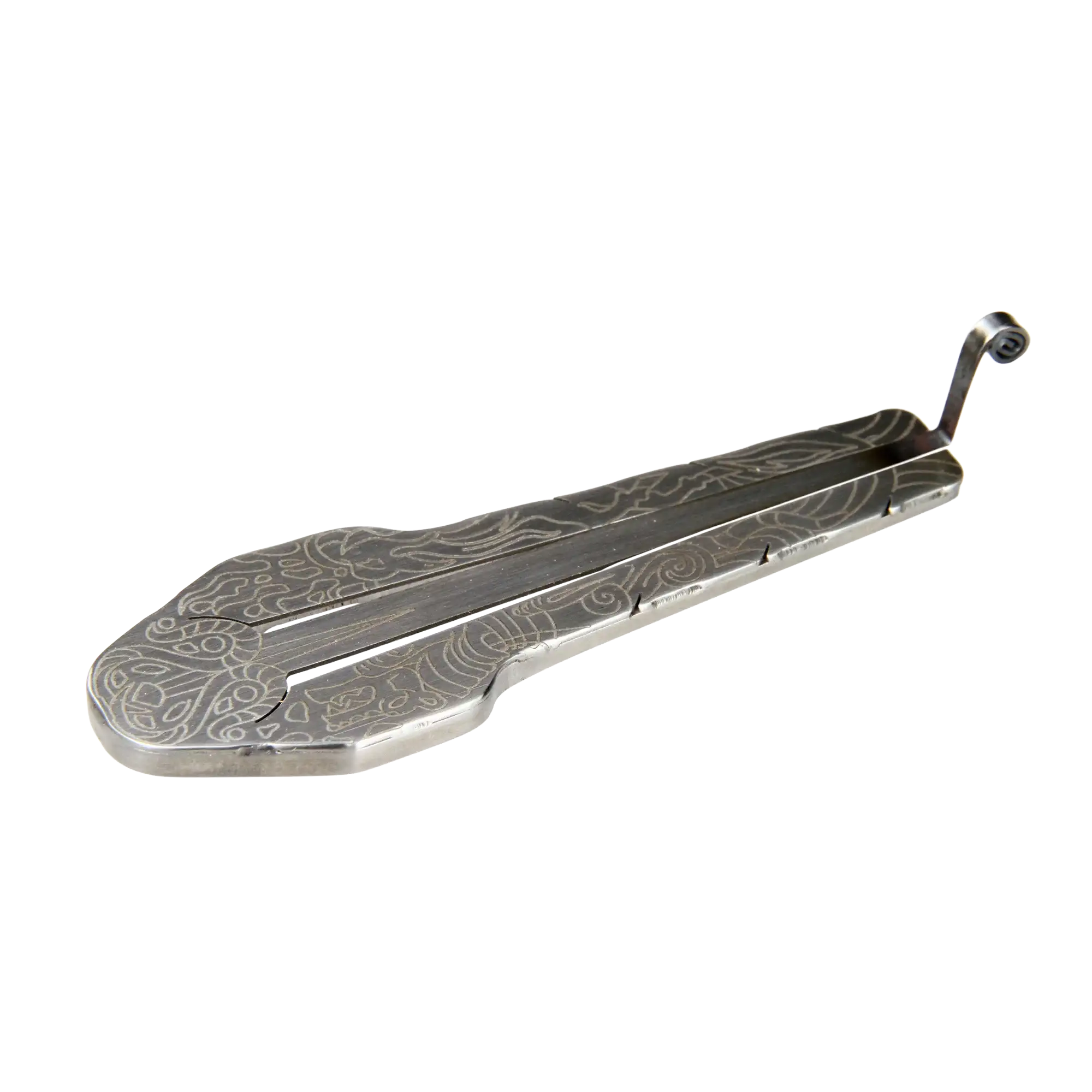
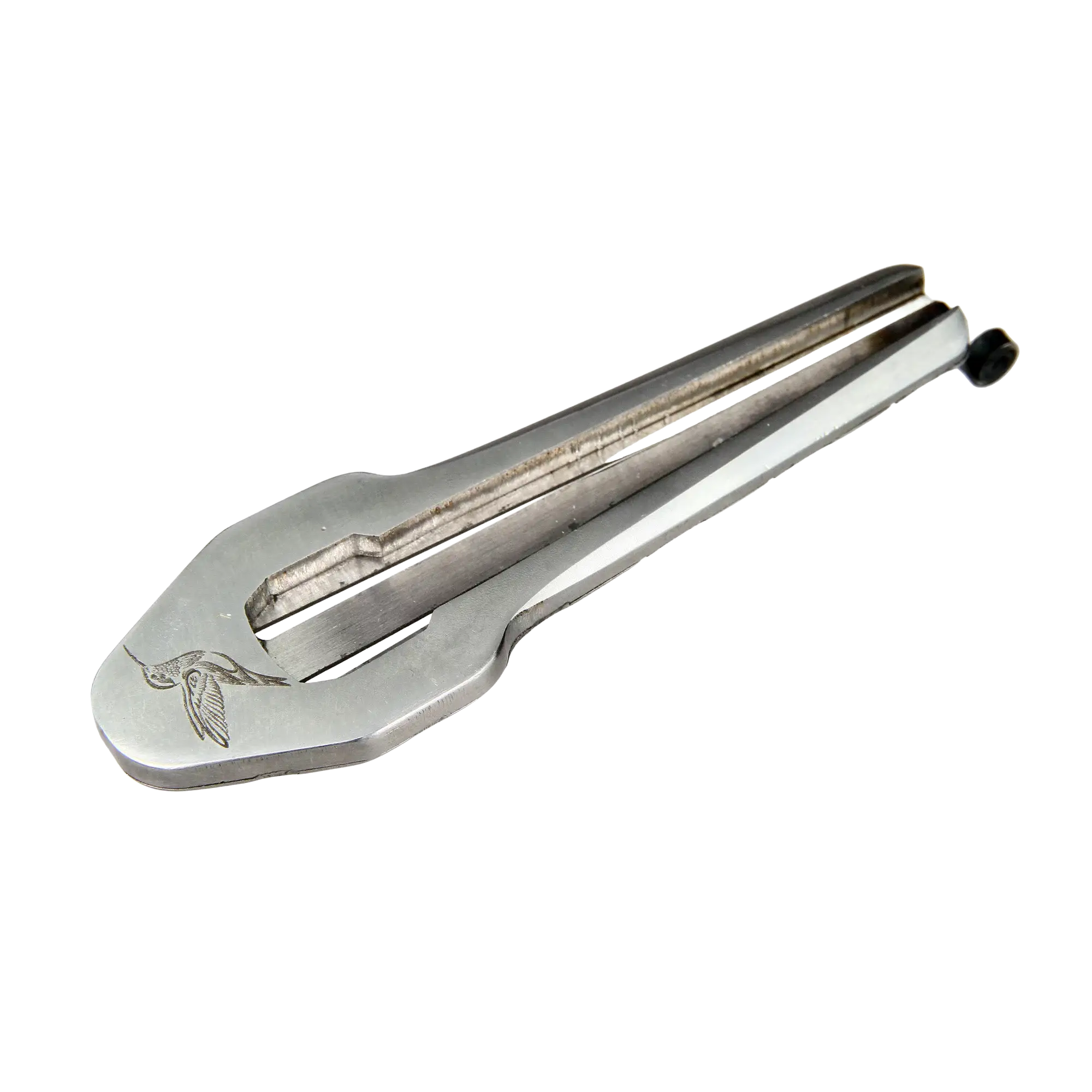
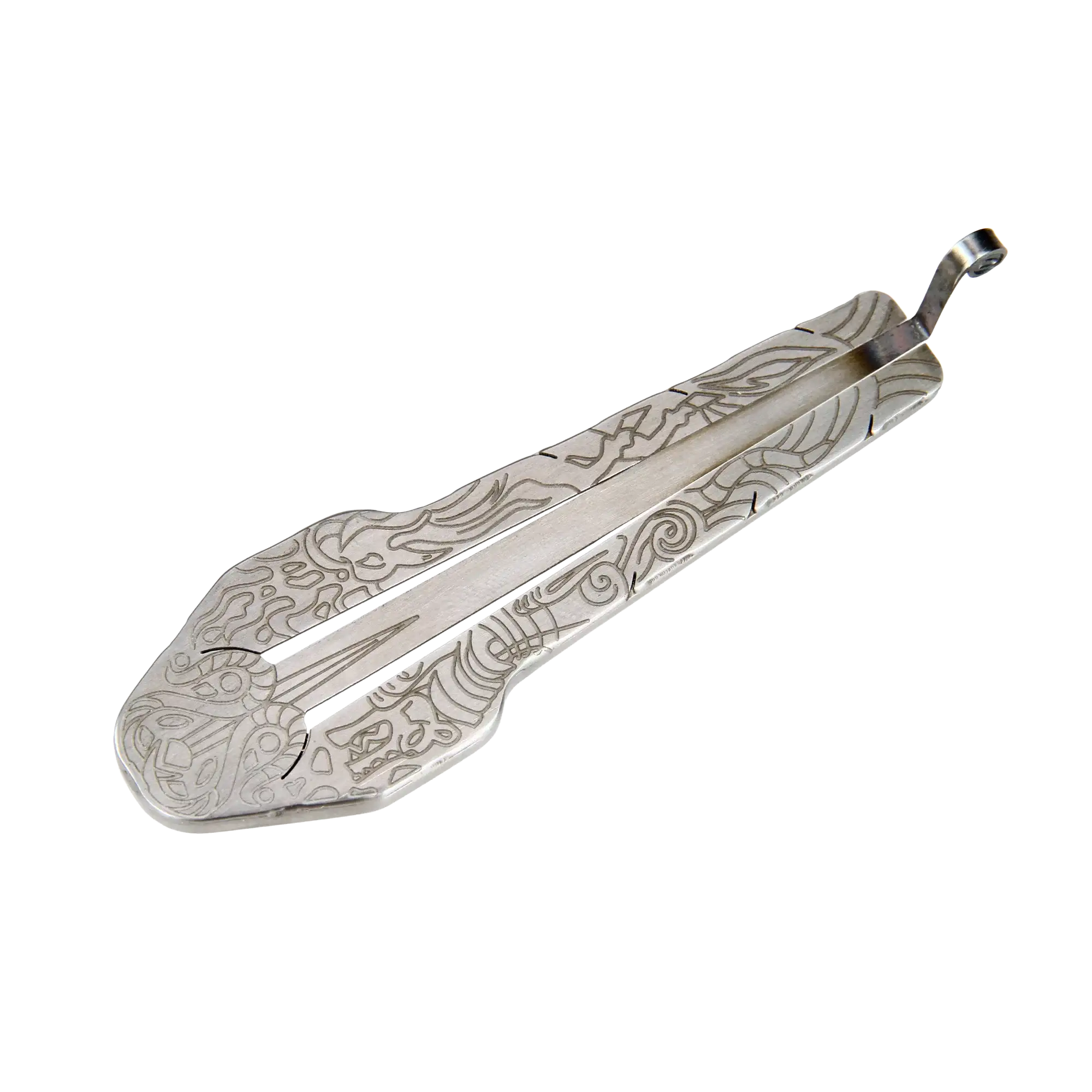
Aesthetic detail complements function: mythological animals and plants are laser-engraved onto one face of the reed plate, while the reverse features a hummingbird motif. These decorations are applied to the working surface without compromising acoustic integrity.
Materials and Tuning
Steel construction provides the rigidity and resonance necessary for stable pitch and responsive vibration. The instrument is tuned to E2 and F2, positioning it in the lower-middle register of the jaw harp spectrum.
Playing and Applications
As with all jaw harps, the Skiff is held between the teeth, with the reed plucked and shaped by finger and mouth movement to articulate pitch and timbre. The instrument suits both traditional folk contexts and contemporary experimental work, though its compact dimensions and beginner-friendly design make it particularly accessible to players new to the instrument.
What's Included
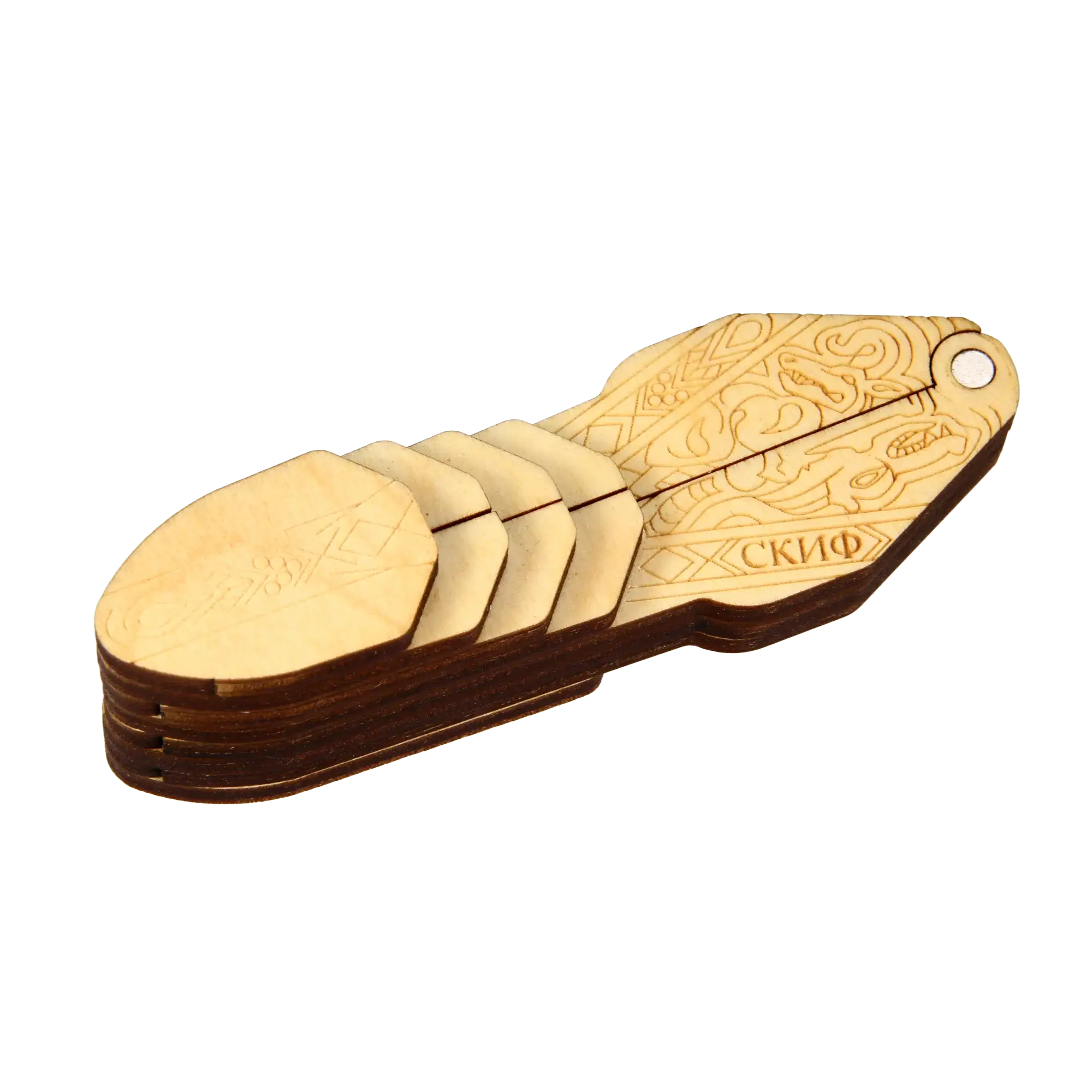
- Transport blocks for safe storage and carrying
- Quick-start guide
The jaw harp remains central to Russian folk music and has seen renewed interest among contemporary musicians exploring microtonal and textural possibilities.
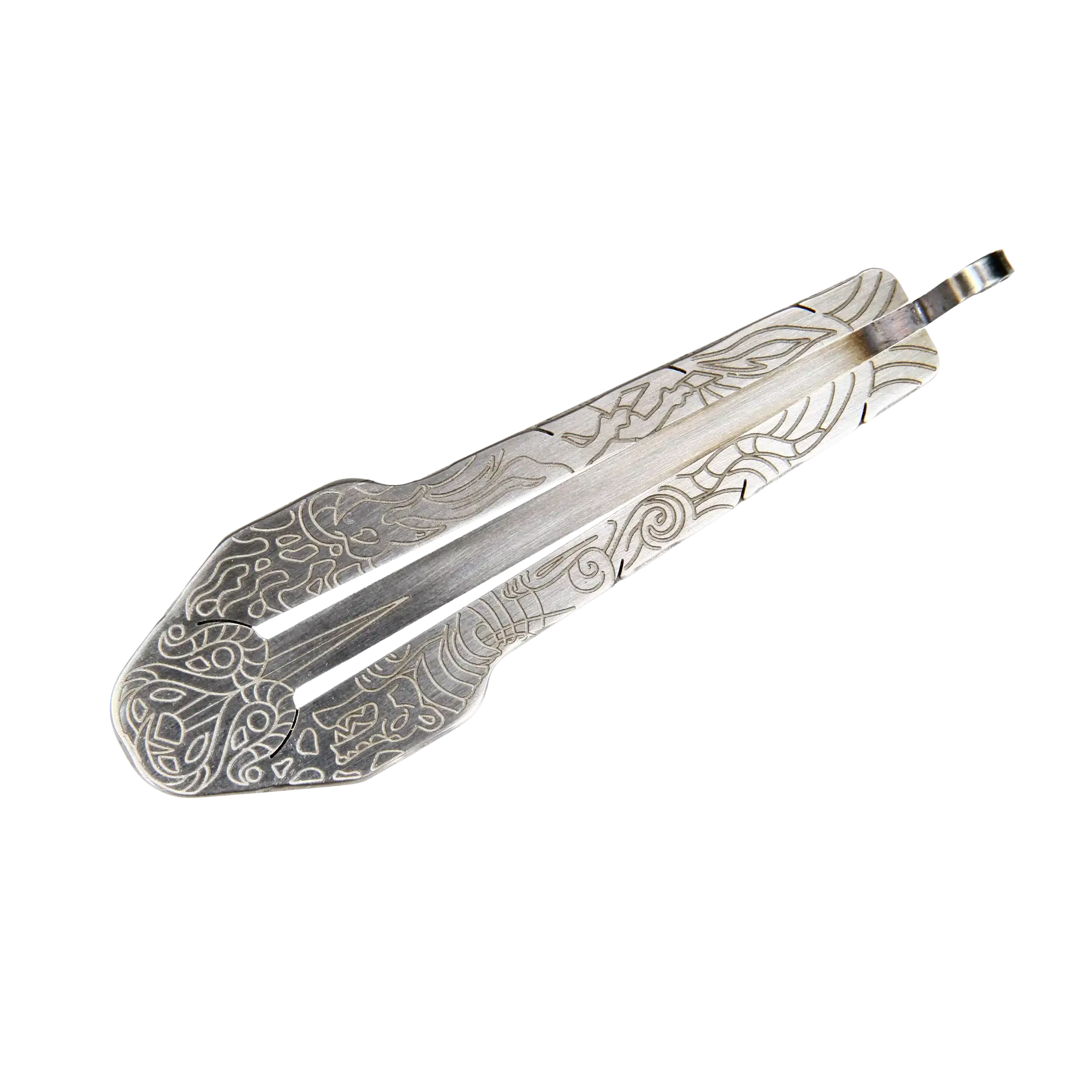
Guimbarde Vargan Glazyrin Skiff — A Russian vargan crafted by master maker Dmitry Glazyrin, featuring a single-piece carbon steel frame and tongue that deliver clarity and minimal play gap. The decorated tongue carries laser-etched mythological motifs and a hummingbird design, while the instrument produces a bright, balanced tone rich in harmonics across tunings from C#2 to F2. Compact at 8.5 × 2.5 cm and weighing just 25 g, it suits both traditional folk performance and contemporary experimental work. Includes transport blocks and quick-start guide.
| Origin | Russia |
|---|---|
| Dimensions | 8,5 × 2,5 cm |
| Included | Transport blocks, quick guide |
| Materials | Steel |
| Key | Free Tuning E2 F2 |
| Jaw Harp Type | Teeth-activated jaw harp |
| Special Features | Recommended for beginners |
⚠Caution: Not suitable for children under 3 years. Please supervise older children. Beware of swallowing small parts, strangulation, material allergies, sharp edges and points! Use only for sound generation. No liability for improper use.
✦Care: Extreme temperature fluctuations, humidity and direct sunlight can affect the lifespan. Please store in balanced humidity to prevent material changes, mold and corrosion. Remove dirt with a damp cloth. Dry after cleaning and each use.
♻Disposal: Please contact your local waste disposal authority for information on environmentally sound disposal!
Guimbarde Vargan Glazyrin Skiff
The Vargan Skiff represents a departure from conventional jaw harp construction. Rather than assembling the reed and frame as separate components—a method that risks movement or misalignment—the craftsman integrates both from a single piece of spring steel, then affixes this unified assembly to a sturdy classical frame. The result is a reed that cannot slip, with minimal clearance between frame and vibrating element.
Construction and Sound
The monolithic reed plate delivers a sound that is clean and balanced, with pronounced overtone complexity. The tightly controlled tolerances between frame and reed contribute directly to this clarity; the instrument produces a brilliant tone without muddiness or loss of definition across its range.
Aesthetic detail complements function: mythological animals and plants are laser-engraved onto one face of the reed plate, while the reverse features a hummingbird motif. These decorations are applied to the working surface without compromising acoustic integrity.
Materials and Tuning
Steel construction provides the rigidity and resonance necessary for stable pitch and responsive vibration. The instrument is tuned to E2 and F2, positioning it in the lower-middle register of the jaw harp spectrum.
Playing and Applications
As with all jaw harps, the Skiff is held between the teeth, with the reed plucked and shaped by finger and mouth movement to articulate pitch and timbre. The instrument suits both traditional folk contexts and contemporary experimental work, though its compact dimensions and beginner-friendly design make it particularly accessible to players new to the instrument.
What's Included
- Transport blocks for safe storage and carrying
- Quick-start guide
The jaw harp remains central to Russian folk music and has seen renewed interest among contemporary musicians exploring microtonal and textural possibilities.
Your review appreciation cannot be sent
Report comment
Report sent
Your report cannot be sent
Write your review
Review sent
Your review cannot be sent