ACME D-Day Cricket Replica

Price: €22.83
SKU ACC-1 Category Acme

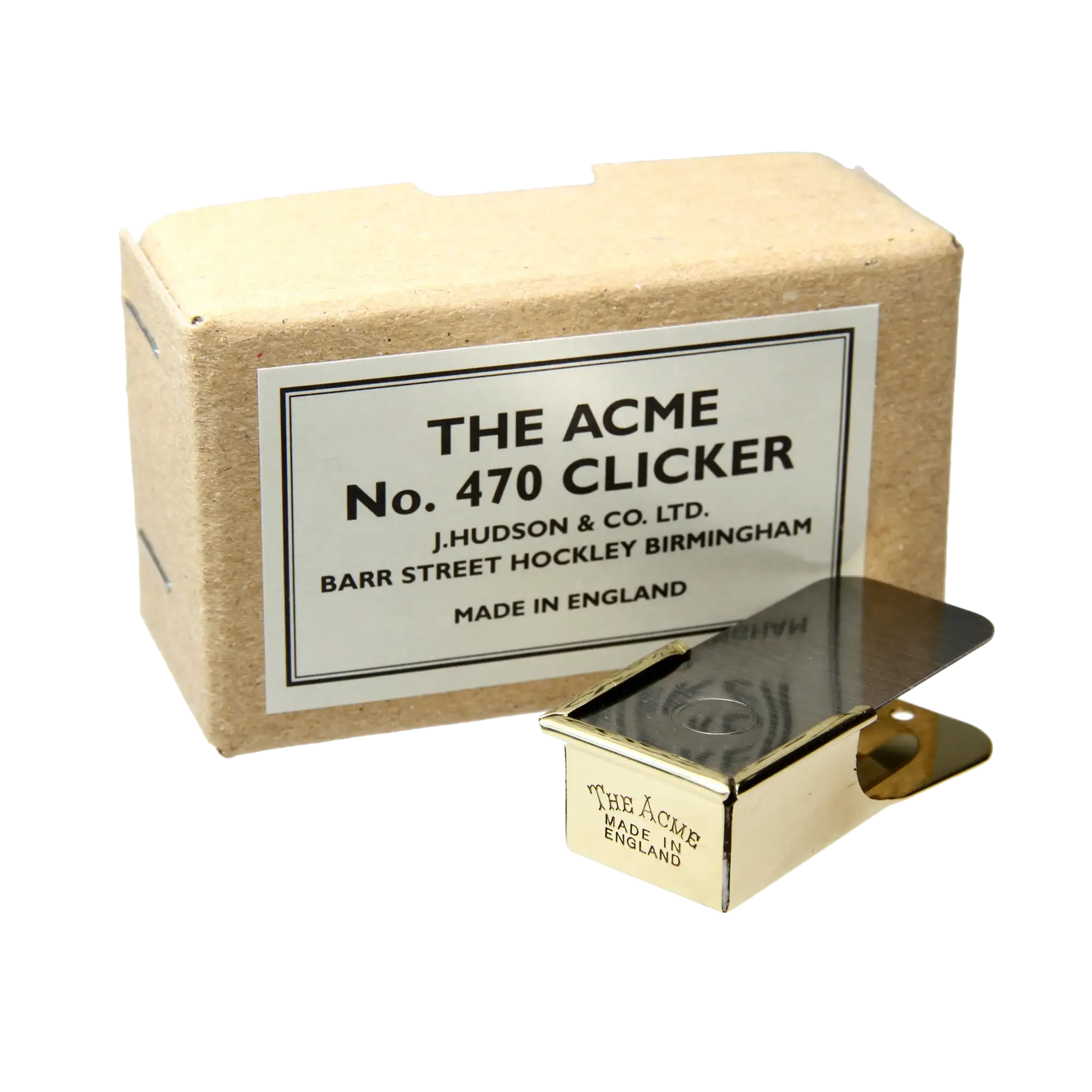
ACME Clicker D-Day — Brass Signal Device, 1944

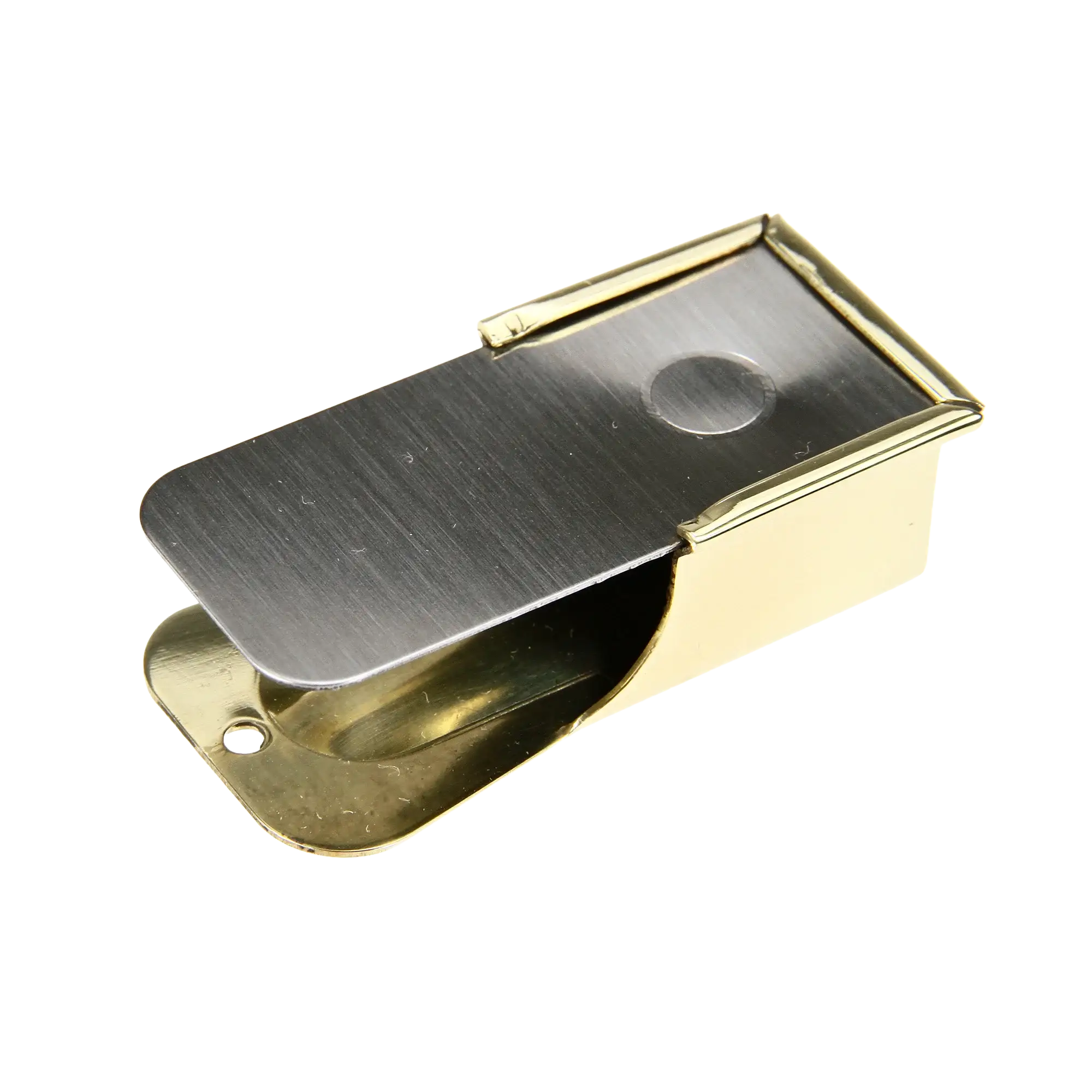
This small brass percussion device was engineered for a single, critical purpose: silent identification between Allied forces during nocturnal operations and behind enemy lines. Manufactured in Birmingham during the Second World War, it served as a tactical signalling tool during the Normandy landings on 6 June 1944, allowing soldiers to authenticate one another in darkness or across distances where spoken passwords would be dangerous or inaudible.

Mechanical Design and Construction

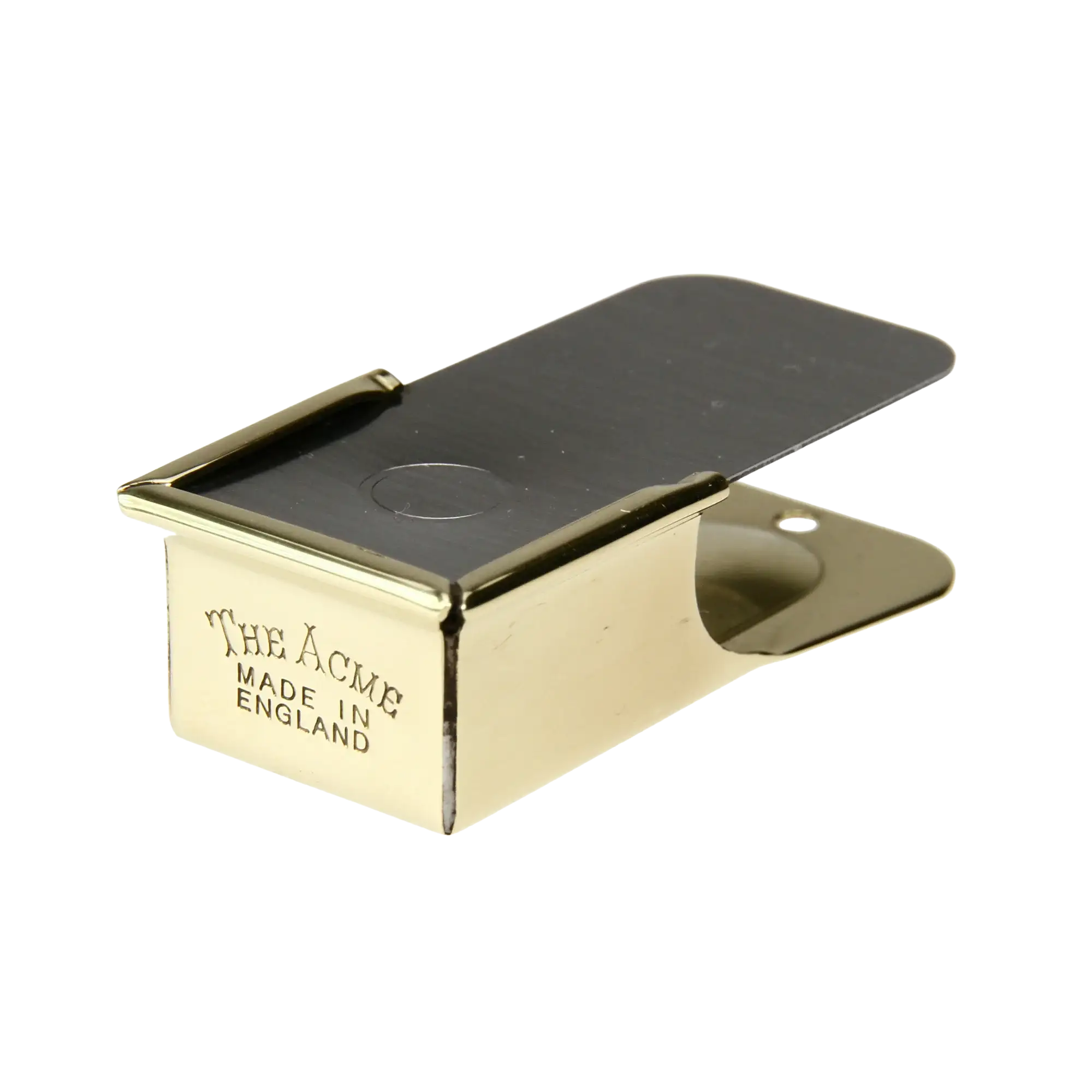
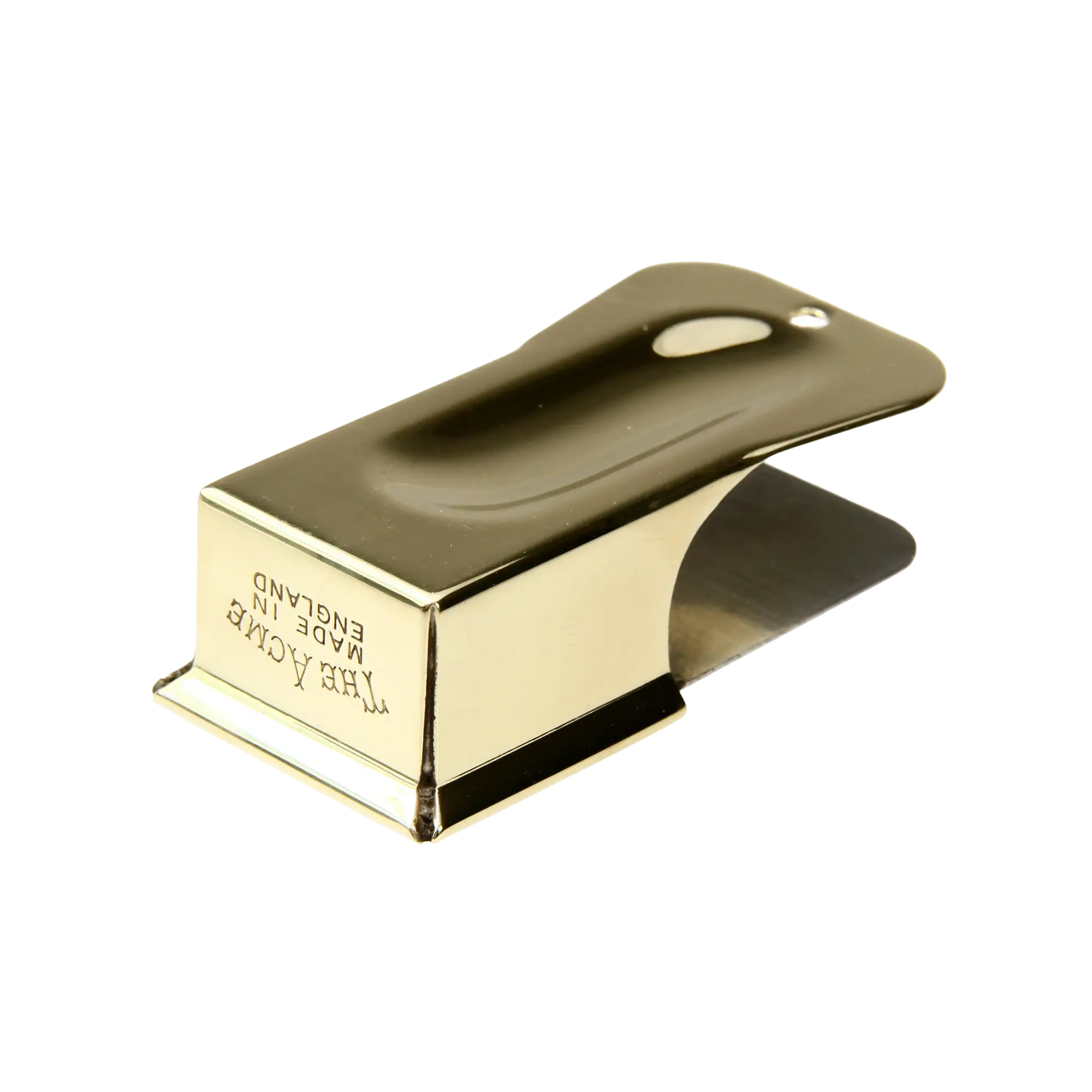
The clicker is cast from solid brass, a material selected for its durability and consistent acoustic properties under field conditions. Its compact form—small enough to fit in a soldier's pocket—added negligible weight or bulk to combat equipment. The mechanism operates through direct pressure on a hinged brass tongue against a fixed strike point, producing a single sharp click with each press. A rapid double-strike generates two distinct sounds in quick succession. This mechanical simplicity ensured reliable operation in wet, muddy, or cold conditions without maintenance or adjustment.

Coded Signalling Protocol

The device functioned within a pre-established code system. A single click posed a silent challenge: "Are you friend or enemy?" A double click provided the confirmation response, identifying the respondent as an ally. This exchange could occur in complete darkness or across distances where whispered passwords would fail or expose position. Operational security included a strict 24-hour window for each code; after that period, the code changed to prevent captured devices from being used by enemy forces to infiltrate Allied positions.

Acoustic Character

The brass construction produces a sharp, percussive click with minimal sustain—the sound decays almost immediately after impact. This acoustic profile offered tactical advantage: the sharp attack carries far enough to be heard by nearby personnel, while rapid decay prevents the sound from ringing or persisting in a way that could betray position. The tone is metallic and clear, distinctly audible against battlefield ambient noise.

Historical Production and Context

The device was produced by a Birmingham manufacturer specializing in brass whistles and signalling equipment. Wartime production runs were limited and classified, making surviving examples historically significant. After 1944, the design was adapted for civilian applications—as a training tool in animal behaviour work, as a novelty toy, and as a sound effect device in theatrical and film production. Later versions manufactured by different makers and from cheaper materials never achieved the acoustic consistency or durability of the original military specification.

Contemporary Applications

The clicker is now sought by collectors of military history, historical re-enactors, and educators studying Second World War tactics and equipment. Film and television productions depicting the period use authentic examples for sound design and visual accuracy. Museums and historical societies include it in exhibitions on soldier equipment and battlefield communication methods. The device appears in academic discussions of military innovation and the role of non-verbal signalling systems in combat operations.

What Is Included

This is an original-specification reproduction manufactured to match the construction standards and acoustic performance of the wartime edition. The brass casting, mechanism, and sonic characteristics replicate the functional qualities that made the device reliable under combat conditions. It arrives ready to use, requiring no assembly or adjustment.

The clicker remains a tangible record of a specific moment in military history—a small object that enabled silent coordination between soldiers in conditions where any audible signal could prove fatal.
Price: €22.83
SKU ACC-1 Category Acme

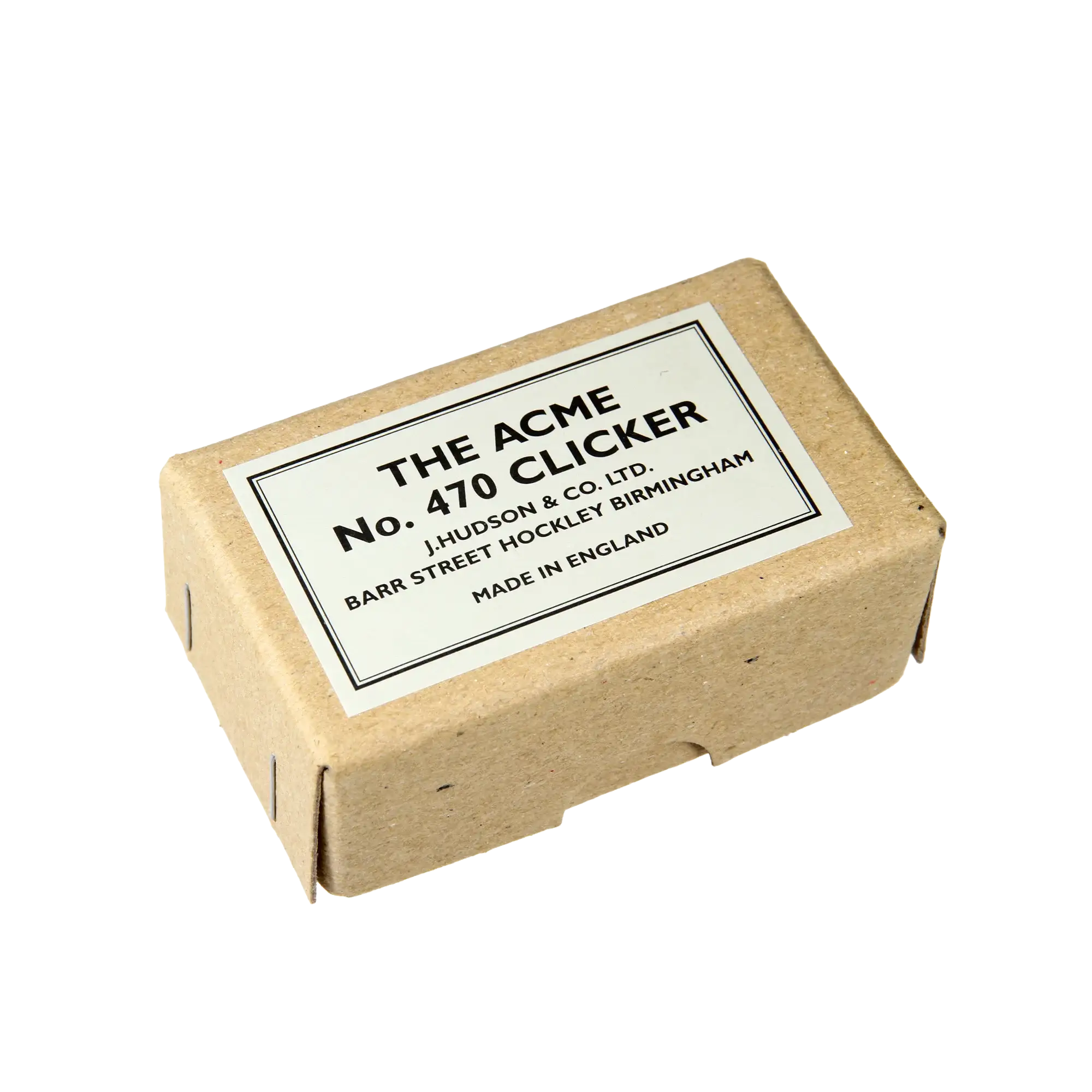
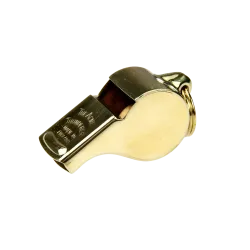
ACME D-Day Cricket Replica — The British tactical cricket used by Allied paratroopers during the Normandy Landings, 6 June 1944. This solid brass metal device produces the distinctive click that enabled friend-foe identification in darkness — a simple "click" posed the question, a "double-click" confirmed the presence of an ally. Manufactured by J. Hudson & Co. according to original specifications, each press generates the same sharp and reliable sound that soldiers relied upon. Essential for historical re-enactments, military collections, Second World War education and period audiovisual productions.

Audio Samples
D-Day Clicker
Weight 0,04 kg
Origin Great Britain
Dimensions 5,0 × 2,5 cm
Materials Brass

Caution: Not suitable for children under 3 years. Please supervise older children. Beware of swallowing small parts, strangulation, material allergies, sharp edges and points! Use only for sound generation. No liability for improper use.

Care: Extreme temperature fluctuations, humidity and direct sunlight can affect the lifespan. Please store in balanced humidity to prevent material changes, mold and corrosion. Remove dirt with a damp cloth. Dry after cleaning and each use.

Disposal: Please contact your local waste disposal authority for information on environmentally sound disposal!

ACME Clicker D-Day — Brass Signal Device, 1944

This small brass percussion device was engineered for a single, critical purpose: silent identification between Allied forces during nocturnal operations and behind enemy lines. Manufactured in Birmingham during the Second World War, it served as a tactical signalling tool during the Normandy landings on 6 June 1944, allowing soldiers to authenticate one another in darkness or across distances where spoken passwords would be dangerous or inaudible.

Mechanical Design and Construction

The clicker is cast from solid brass, a material selected for its durability and consistent acoustic properties under field conditions. Its compact form—small enough to fit in a soldier's pocket—added negligible weight or bulk to combat equipment. The mechanism operates through direct pressure on a hinged brass tongue against a fixed strike point, producing a single sharp click with each press. A rapid double-strike generates two distinct sounds in quick succession. This mechanical simplicity ensured reliable operation in wet, muddy, or cold conditions without maintenance or adjustment.

Coded Signalling Protocol

The device functioned within a pre-established code system. A single click posed a silent challenge: "Are you friend or enemy?" A double click provided the confirmation response, identifying the respondent as an ally. This exchange could occur in complete darkness or across distances where whispered passwords would fail or expose position. Operational security included a strict 24-hour window for each code; after that period, the code changed to prevent captured devices from being used by enemy forces to infiltrate Allied positions.

Acoustic Character

The brass construction produces a sharp, percussive click with minimal sustain—the sound decays almost immediately after impact. This acoustic profile offered tactical advantage: the sharp attack carries far enough to be heard by nearby personnel, while rapid decay prevents the sound from ringing or persisting in a way that could betray position. The tone is metallic and clear, distinctly audible against battlefield ambient noise.

Historical Production and Context

The device was produced by a Birmingham manufacturer specializing in brass whistles and signalling equipment. Wartime production runs were limited and classified, making surviving examples historically significant. After 1944, the design was adapted for civilian applications—as a training tool in animal behaviour work, as a novelty toy, and as a sound effect device in theatrical and film production. Later versions manufactured by different makers and from cheaper materials never achieved the acoustic consistency or durability of the original military specification.

Contemporary Applications

The clicker is now sought by collectors of military history, historical re-enactors, and educators studying Second World War tactics and equipment. Film and television productions depicting the period use authentic examples for sound design and visual accuracy. Museums and historical societies include it in exhibitions on soldier equipment and battlefield communication methods. The device appears in academic discussions of military innovation and the role of non-verbal signalling systems in combat operations.

What Is Included

This is an original-specification reproduction manufactured to match the construction standards and acoustic performance of the wartime edition. The brass casting, mechanism, and sonic characteristics replicate the functional qualities that made the device reliable under combat conditions. It arrives ready to use, requiring no assembly or adjustment.

The clicker remains a tangible record of a specific moment in military history—a small object that enabled silent coordination between soldiers in conditions where any audible signal could prove fatal.
Comments (0)
No customer reviews for the moment.

You may also like