Double Ratchet
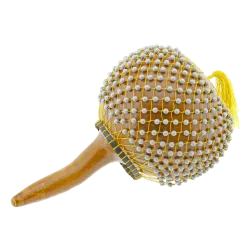
Double Ratchet — Wooden Ratchet Rattle
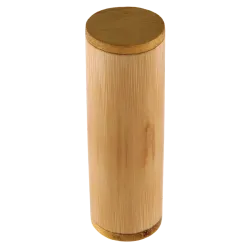
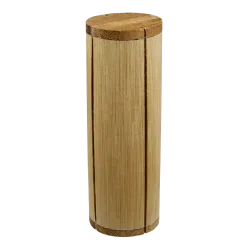
A double-chambered wooden ratchet that produces a sharp, penetrating clatter when rotated, this percussion instrument combines historical depth with immediate practical utility. Made from untreated wood, it generates a distinctly loud sound capable of cutting through noise at large gatherings, making it equally at home signalling across a crowded field or punctuating a theatrical moment with precision.
Construction and Sound
The dual-chamber design amplifies volume and allows for layered rhythmic patterns that a single-chamber ratchet cannot achieve. The untreated wood construction gives the instrument a natural surface suitable for customization — painting, varnishing, or decorative work — should you wish to personalize it.
Sound intensity varies with wrist speed and movement amplitude. A light, controlled rotation produces a steady clicking; faster or sharper movements generate the full, forceful rattle the instrument is known for. This responsiveness to technique makes it accessible to beginners while offering expressive range to those seeking nuanced control.
Historical and Cultural Use
The ratchet appears across multiple traditions with documented historical significance. It has been used in Catholic Easter observances, Jewish Purim celebrations, and orchestral compositions by Mozart and Beethoven, establishing it as a cultural artifact with centuries of presence across religious and secular contexts.
Practical Applications Today
Beyond ceremonial use, the double ratchet functions effectively as a signal device for coordinating large groups, drawing attention in crowds, or delivering cues during organized events such as carnivals, weddings, or demonstrations. Its volume and distinctive character make it unmistakable in noisy environments.
In creative work — theatre, musical production, sound design — it serves as an effect instrument capable of generating unique percussive textures and noises that enrich a sonic palette. Its simplicity of operation means it can be deployed quickly and reliably in rehearsal and performance contexts.
Playing and Care
Hold the instrument by its handle and rotate with wrist movements to control both intensity and duration of sound. The mechanism requires no maintenance beyond basic care; the untreated wood should be kept dry to prevent swelling or warping.
The double ratchet remains a functional tool across ceremonial, educational, and theatrical contexts, valued for its reliability and acoustic power.
Double Ratchet — a traditional wooden rattle with two resonant chambers that produce a distinctive clicking sound when rotated. Used historically in Catholic Holy Week ceremonies, Jewish Purim celebrations, and orchestral works by Mozart and Beethoven, this percussion instrument combines cultural significance with practical versatility. The dual-chamber design amplifies volume and allows for complex rhythmic patterns, making it effective in outdoor gatherings, educational settings, and creative performances. Simple to play — grip the handle and rotate with wrist movements to control intensity — yet capable of layered sonic expression. A time-honoured sound tool for tradition, teaching, and theatrical effect.
⚠Caution: Not suitable for children under 3 years. Please supervise older children. Beware of swallowing small parts, strangulation, material allergies, sharp edges and points! Use only for sound generation. No liability for improper use.
✦Care: Extreme temperature fluctuations, humidity and direct sunlight can affect the lifespan. Please store in balanced humidity to prevent material changes, mold and corrosion. Remove dirt with a damp cloth. Dry after cleaning and each use.
♻Disposal: Please contact your local waste disposal authority for information on environmentally sound disposal!
Double Ratchet — Wooden Ratchet Rattle
A double-chambered wooden ratchet that produces a sharp, penetrating clatter when rotated, this percussion instrument combines historical depth with immediate practical utility. Made from untreated wood, it generates a distinctly loud sound capable of cutting through noise at large gatherings, making it equally at home signalling across a crowded field or punctuating a theatrical moment with precision.
Construction and Sound
The dual-chamber design amplifies volume and allows for layered rhythmic patterns that a single-chamber ratchet cannot achieve. The untreated wood construction gives the instrument a natural surface suitable for customization — painting, varnishing, or decorative work — should you wish to personalize it.
Sound intensity varies with wrist speed and movement amplitude. A light, controlled rotation produces a steady clicking; faster or sharper movements generate the full, forceful rattle the instrument is known for. This responsiveness to technique makes it accessible to beginners while offering expressive range to those seeking nuanced control.
Historical and Cultural Use
The ratchet appears across multiple traditions with documented historical significance. It has been used in Catholic Easter observances, Jewish Purim celebrations, and orchestral compositions by Mozart and Beethoven, establishing it as a cultural artifact with centuries of presence across religious and secular contexts.
Practical Applications Today
Beyond ceremonial use, the double ratchet functions effectively as a signal device for coordinating large groups, drawing attention in crowds, or delivering cues during organized events such as carnivals, weddings, or demonstrations. Its volume and distinctive character make it unmistakable in noisy environments.
In creative work — theatre, musical production, sound design — it serves as an effect instrument capable of generating unique percussive textures and noises that enrich a sonic palette. Its simplicity of operation means it can be deployed quickly and reliably in rehearsal and performance contexts.
Playing and Care
Hold the instrument by its handle and rotate with wrist movements to control both intensity and duration of sound. The mechanism requires no maintenance beyond basic care; the untreated wood should be kept dry to prevent swelling or warping.
The double ratchet remains a functional tool across ceremonial, educational, and theatrical contexts, valued for its reliability and acoustic power.
Your review appreciation cannot be sent
Report comment
Report sent
Your report cannot be sent
Write your review
Review sent
Your review cannot be sent