Percussive Seashells - As Cuncha

Price: €10.55
SKU PMU-1A Category Percussion

Percussion Shells — As Cuncha

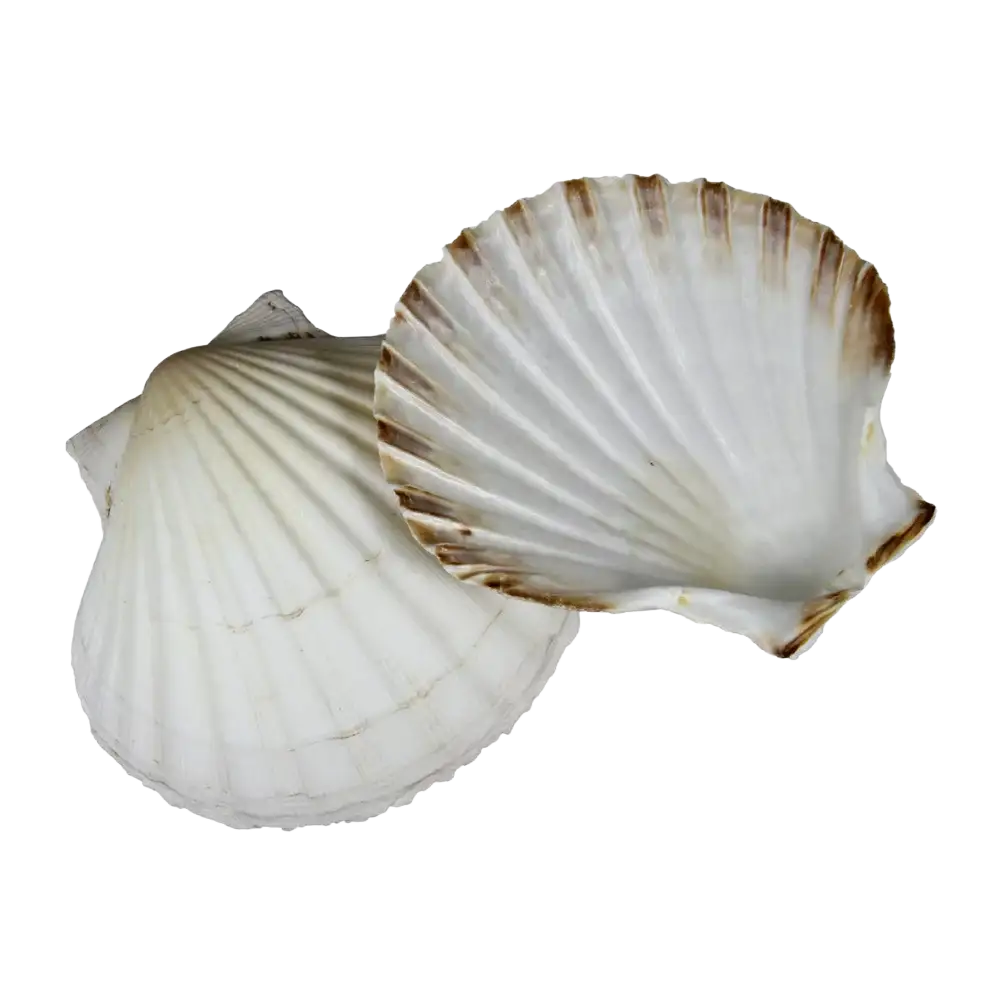
Shells have served as instruments since prehistoric times, valued equally as rattles, rhythm-makers and resonant objects in ritual and everyday music. The As Cuncha pair represents this ancient lineage: two natural scallop shells selected for their firm structure and pronounced ribbing, ready to produce sound through striking, rubbing and resonance techniques that span from delicate rustling to sharp, percussive attack.

Origin and Traditional Use

These shells originate from the Atlantic coast of Galicia, Spain, where they remain embedded in traditional music practice. Evidence suggests that Celtic groups inhabiting Atlantic coasts used similar shell species as percussion instruments, a testament to their acoustic utility across centuries and cultures. The geographical and cultural continuity of this instrument speaks to its straightforward effectiveness: two shells, no assembly required, ready to play.

Construction and Sound-Making Properties

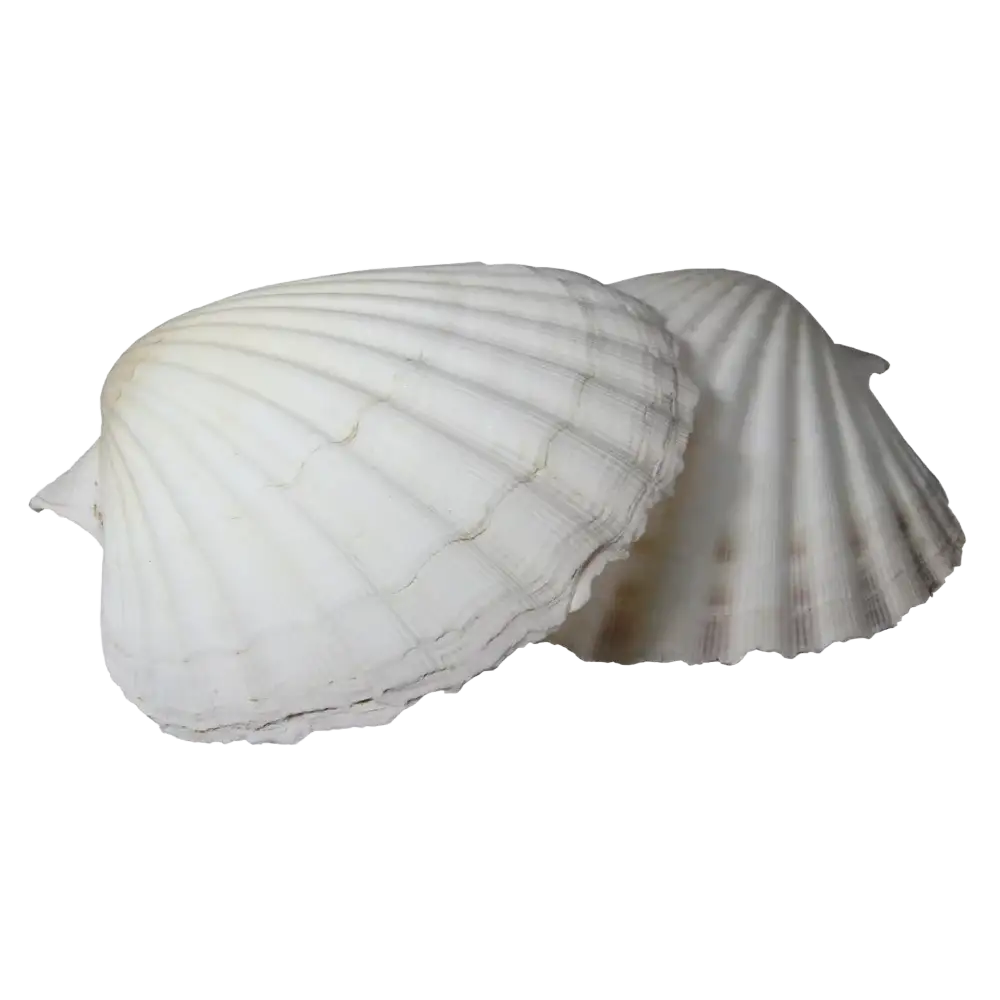
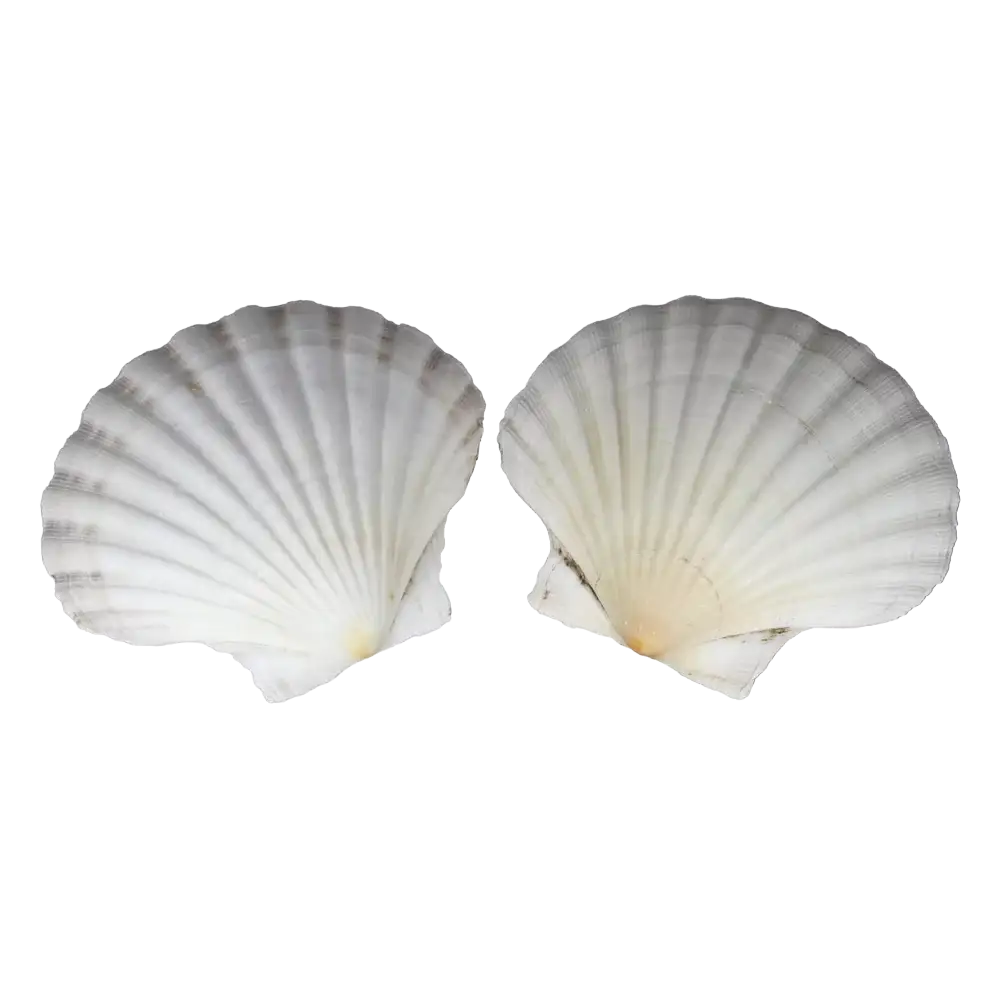
Each shell is naturally ridged with rows of grooves that run across its surface. These structural features determine how sound emerges: when the two shells are rubbed together, the grooves create texture and friction; when struck against each other or tapped individually, they produce distinct clicking and clacking tones. The variation in tonal quality depends on which ridged surfaces meet, allowing a player to move between subtle, whispering effects and crisp, articulate percussion sounds.

The curved form of each shell creates a natural resonance chamber when held against the palm. This curvature amplifies the sound produced, generating surprising volume and projection despite the instrument's modest size. The effect is particularly pronounced when the shells are struck together with the palm-formed cavity facing outward, concentrating and intensifying the acoustic output.

Playing Technique

Hold one shell in each hand, gripping near the base or allowing it to rest lightly in your palm. You can produce sound through several methods: striking the ridged surfaces together sharply for percussive attacks; rubbing them slowly and deliberately to generate a scratching, guiro-like texture; or tapping them gently against each other for softer, more delicate rhythmic accompaniment. The natural grooves respond differently depending on pressure, speed and angle of contact, offering considerable tonal range from a single pair.

Forming a resonance space with your palm behind or beneath the shells amplifies the sound without requiring additional equipment or technique adjustment—the curvature does the work naturally.

What's Included

You receive one pair of As Cuncha shells, ready to play immediately. No assembly, tuning or preparation is necessary. As natural products, each pair will vary slightly in shape, size and colouration; these variations are inherent to the material and do not affect playability.

Musical Application

Percussion shells integrate readily into folk ensembles, educational settings and contemporary world music contexts. Their simplicity and acoustic directness make them accessible to players of any experience level, while their tonal range supports both rhythmic accompaniment and textural, atmospheric roles within an ensemble.

In Galician and Atlantic coastal traditions, these shells remain a working instrument, played by musicians who have inherited centuries of practical knowledge about their possibilities.
Price: €10.55
SKU PMU-1A Category Percussion

Percussive Seashells - As Cuncha — Traditional Galician shell percussion instruments crafted from natural scallop shells, each pair producing distinctive dry, clicking sounds when struck or rubbed together. The natural ridges create varied tones across different contact points, offering everything from delicate rustling textures to sharp rhythmic patterns. Approximately 10 cm in size, these shells work equally well in folk ensembles, educational settings, and contemporary world music contexts. The curved form allows players to create a resonance chamber with the palm, amplifying sound with surprising volume. Each pair is unique in shape, size, and coloration—a direct connection to centuries of Atlantic coastal musical tradition. Ready to play immediately, requiring no assembly or preparation.

Handcrafted individually, every piece carries its own personality. The images serve as a guide only; the instrument you receive may differ slightly in shape, colour or appearance.
Size Small
Origin Atlantic Ocean
Materials Shell
Audio Samples
As Cuncha

Caution: Not suitable for children under 3 years. Please supervise older children. Beware of swallowing small parts, strangulation, material allergies, sharp edges and points! Use only for sound generation. No liability for improper use.

Care: Extreme temperature fluctuations, humidity and direct sunlight can affect the lifespan. Please store in balanced humidity to prevent material changes, mold and corrosion. Remove dirt with a damp cloth. Dry after cleaning and each use.

Disposal: Please contact your local waste disposal authority for information on environmentally sound disposal!

Cet instrument vous a touché ? Faites-le découvrir.

La musique du monde se transmet — partagez cette découverte.

Percussion Shells — As Cuncha

Shells have served as instruments since prehistoric times, valued equally as rattles, rhythm-makers and resonant objects in ritual and everyday music. The As Cuncha pair represents this ancient lineage: two natural scallop shells selected for their firm structure and pronounced ribbing, ready to produce sound through striking, rubbing and resonance techniques that span from delicate rustling to sharp, percussive attack.

Origin and Traditional Use

These shells originate from the Atlantic coast of Galicia, Spain, where they remain embedded in traditional music practice. Evidence suggests that Celtic groups inhabiting Atlantic coasts used similar shell species as percussion instruments, a testament to their acoustic utility across centuries and cultures. The geographical and cultural continuity of this instrument speaks to its straightforward effectiveness: two shells, no assembly required, ready to play.

Construction and Sound-Making Properties

Each shell is naturally ridged with rows of grooves that run across its surface. These structural features determine how sound emerges: when the two shells are rubbed together, the grooves create texture and friction; when struck against each other or tapped individually, they produce distinct clicking and clacking tones. The variation in tonal quality depends on which ridged surfaces meet, allowing a player to move between subtle, whispering effects and crisp, articulate percussion sounds.

The curved form of each shell creates a natural resonance chamber when held against the palm. This curvature amplifies the sound produced, generating surprising volume and projection despite the instrument's modest size. The effect is particularly pronounced when the shells are struck together with the palm-formed cavity facing outward, concentrating and intensifying the acoustic output.

Playing Technique

Hold one shell in each hand, gripping near the base or allowing it to rest lightly in your palm. You can produce sound through several methods: striking the ridged surfaces together sharply for percussive attacks; rubbing them slowly and deliberately to generate a scratching, guiro-like texture; or tapping them gently against each other for softer, more delicate rhythmic accompaniment. The natural grooves respond differently depending on pressure, speed and angle of contact, offering considerable tonal range from a single pair.

Forming a resonance space with your palm behind or beneath the shells amplifies the sound without requiring additional equipment or technique adjustment—the curvature does the work naturally.

What's Included

You receive one pair of As Cuncha shells, ready to play immediately. No assembly, tuning or preparation is necessary. As natural products, each pair will vary slightly in shape, size and colouration; these variations are inherent to the material and do not affect playability.

Musical Application

Percussion shells integrate readily into folk ensembles, educational settings and contemporary world music contexts. Their simplicity and acoustic directness make them accessible to players of any experience level, while their tonal range supports both rhythmic accompaniment and textural, atmospheric roles within an ensemble.

In Galician and Atlantic coastal traditions, these shells remain a working instrument, played by musicians who have inherited centuries of practical knowledge about their possibilities.
Recently viewed

Comments (0)
No customer reviews for the moment.

You might also like