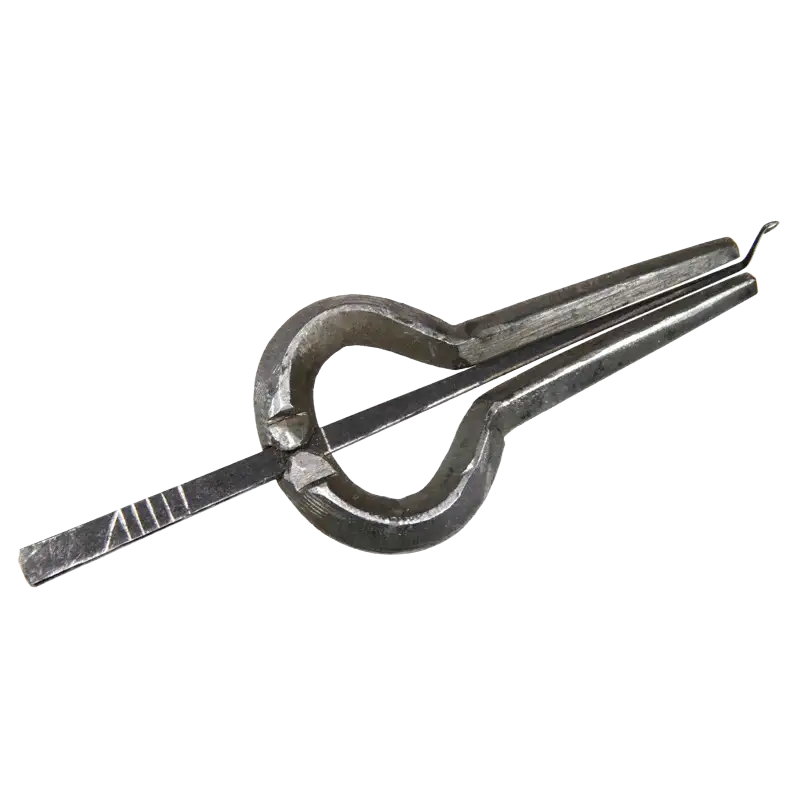
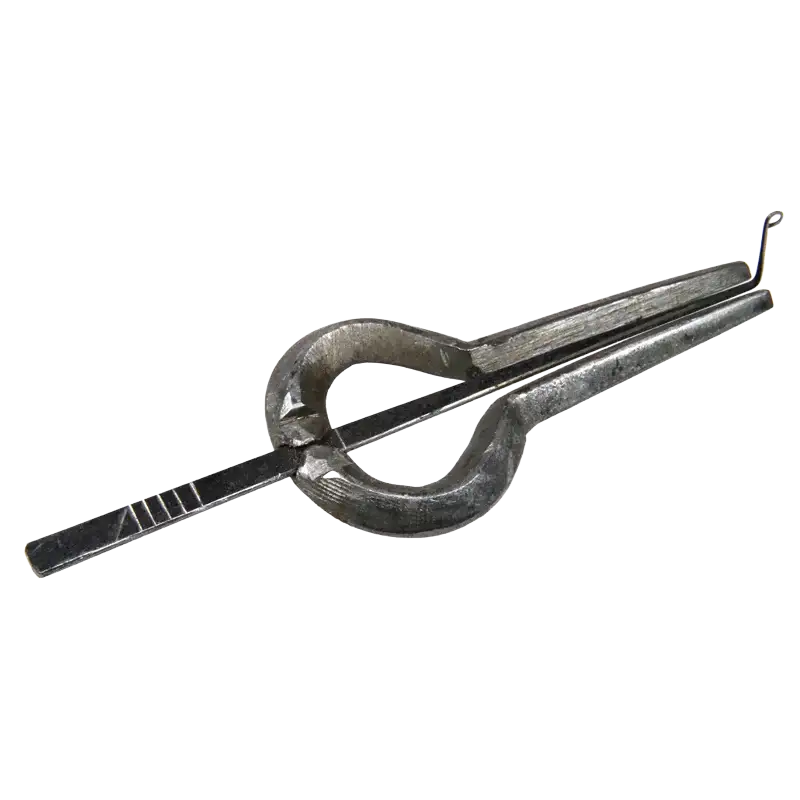
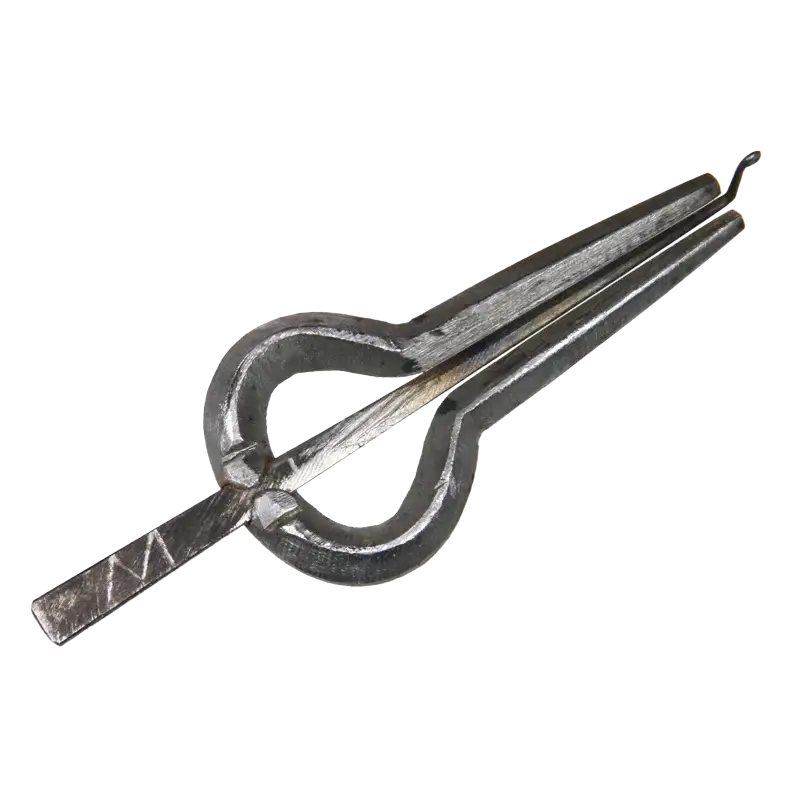
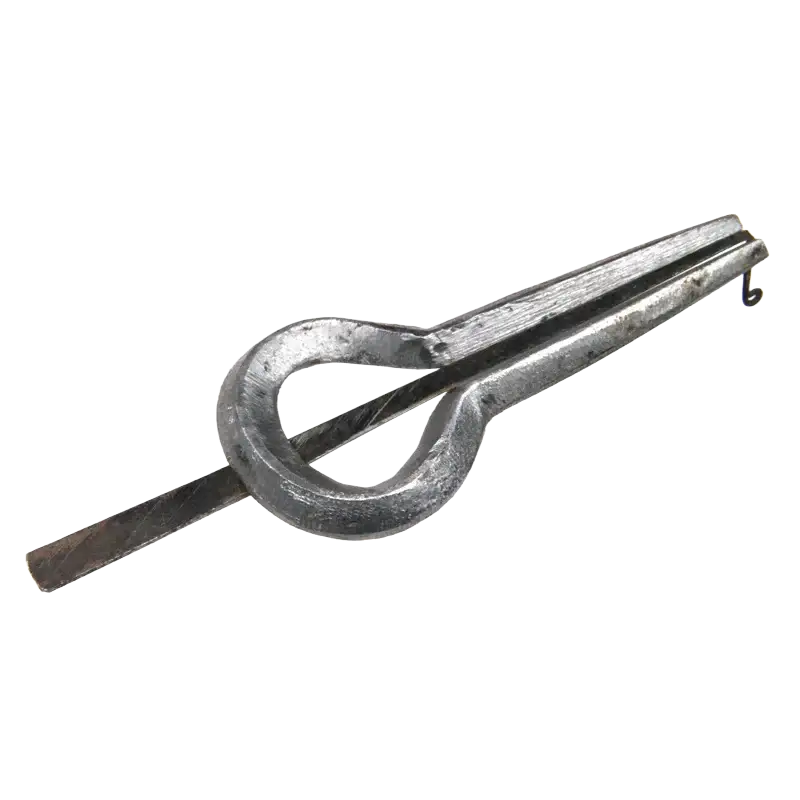
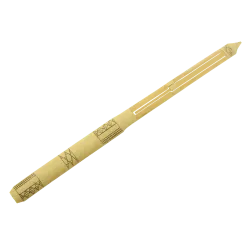
Jaw Harp Morsing Classic
Morsing: A Carnatic Jaw Harp
The Morsing is a metal jaw harp deeply embedded in Carnatic classical music, the concert tradition of South India. Unlike jaw harps found in many world cultures, the Morsing occupies a specific ensemble role: it transcribes and reinforces the complex drum rhythms that structure Carnatic performances, accompanying the lead vocalist or instrumentalist with rhythmic precision and harmonic support.
Sound and Construction
A strong metal reed is the defining feature of the Morsing's voice. This robust reed produces a loud, clear tone well-suited to fast and intricate rhythmic passages, allowing the instrument to cut through the texture of a full ensemble without losing definition. The metal construction itself contributes to the brightness and projection of the sound, distinguishing the Morsing from wooden or bone jaw harps used in other traditions.
Playing Technique
The Morsing is held against the teeth, with the metal tongue plucked by the finger. What sets this instrument apart is the central role of breathing and oral cavity shaping in generating its full sonic range. By varying breath pressure and modifying the shape of your mouth and throat, you create the characteristic tonal variations and rhythmic patterns that define Morsing playing. This technique allows a single player to articulate multiple pitches and contribute both melodic and rhythmic elements to the ensemble.
Carnatic Music Context
In Carnatic ensembles, the Morsing does not function as a solo melody instrument but as a rhythmic and harmonic anchor. Drum patterns—which are central to Carnatic structure—are transcribed onto the Morsing, creating a bridge between the percussion section and the melodic soloist. This role has been established over centuries of performance practice in South Indian concert halls and temples.
Suited for Advanced Players
This instrument is designed for musicians with prior experience in jaw harp playing or Carnatic music. The strong reed and the technical demands of breath control and rhythmic precision require developed embouchure and musical understanding. Players new to the jaw harp may find gentler introductory instruments more approachable.
The Morsing remains an essential voice in Carnatic ensembles, particularly in the southern Indian states where the tradition continues to thrive in concert and devotional contexts.

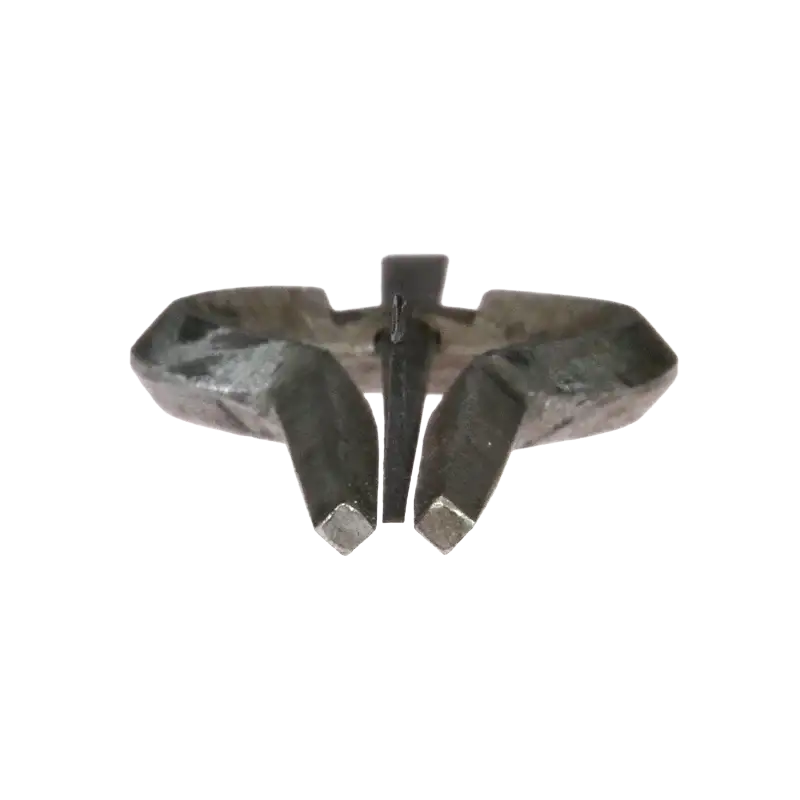
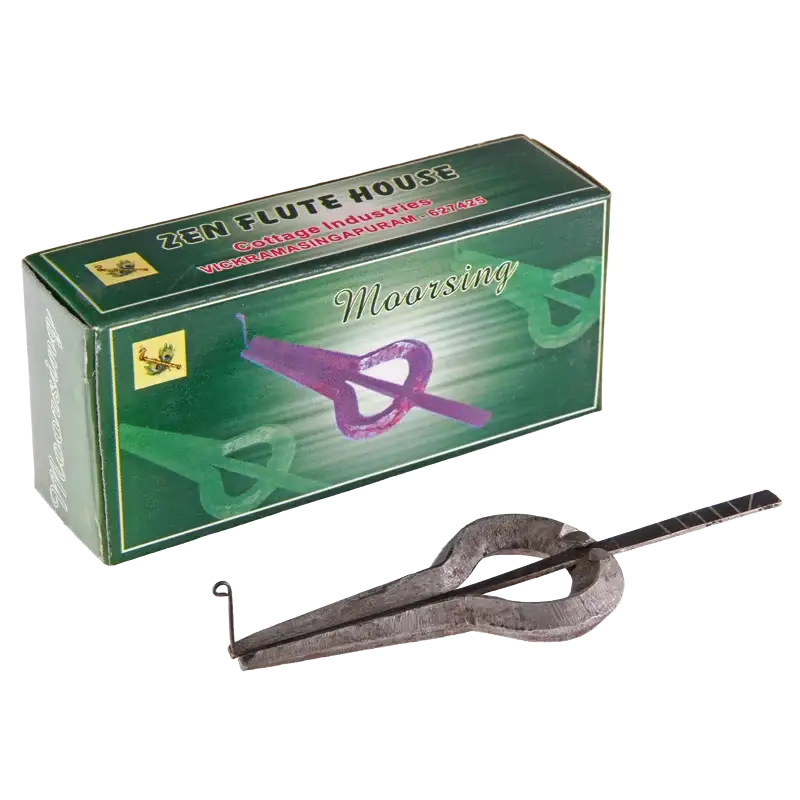
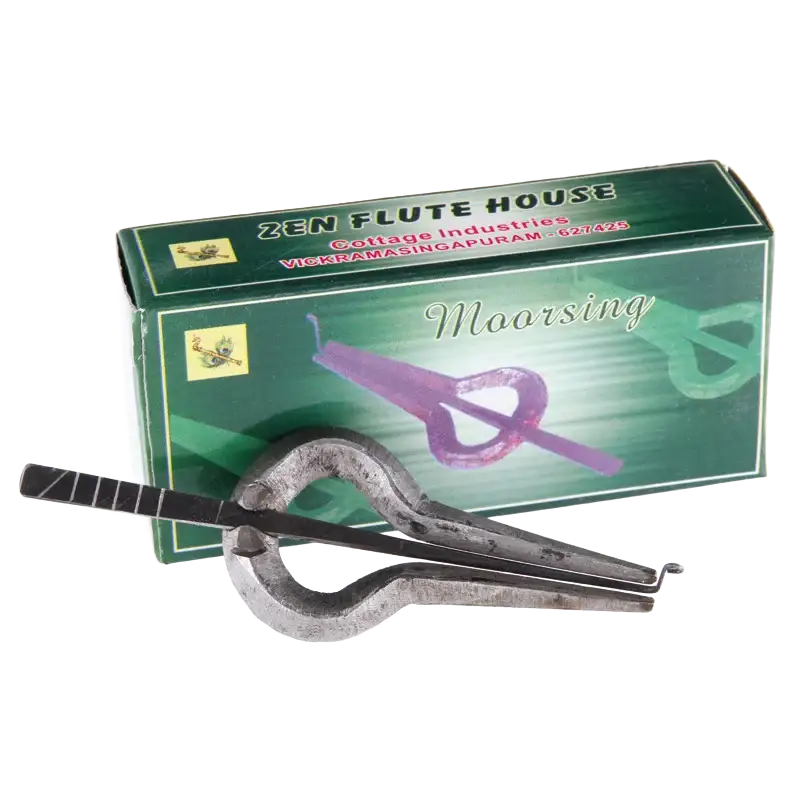
Guimbarde Morsing classique1 — A jaw harp rooted in South Indian Carnatic tradition, this metal instrument produces the clear, resonant tones that have accompanied classical performances for centuries. Held against the teeth with the metal tongue plucked by finger, it creates rhythmic and melodic patterns through breath control and mouth-cavity shaping. Essential in Carnatic ensembles for transcribing drum patterns and complementing vocal soloists. Available in multiple pitches from C?3 to G?3 — choose the tuning that fits your ensemble or practice.
⚠Caution: Not suitable for children under 3 years. Please supervise older children. Beware of swallowing small parts, strangulation, material allergies, sharp edges and points! Use only for sound generation. No liability for improper use.
✦Care: Extreme temperature fluctuations, humidity and direct sunlight can affect the lifespan. Please store in balanced humidity to prevent material changes, mold and corrosion. Remove dirt with a damp cloth. Dry after cleaning and each use.
♻Disposal: Please contact your local waste disposal authority for information on environmentally sound disposal!
Morsing: A Carnatic Jaw Harp
The Morsing is a metal jaw harp deeply embedded in Carnatic classical music, the concert tradition of South India. Unlike jaw harps found in many world cultures, the Morsing occupies a specific ensemble role: it transcribes and reinforces the complex drum rhythms that structure Carnatic performances, accompanying the lead vocalist or instrumentalist with rhythmic precision and harmonic support.
Sound and Construction
A strong metal reed is the defining feature of the Morsing's voice. This robust reed produces a loud, clear tone well-suited to fast and intricate rhythmic passages, allowing the instrument to cut through the texture of a full ensemble without losing definition. The metal construction itself contributes to the brightness and projection of the sound, distinguishing the Morsing from wooden or bone jaw harps used in other traditions.
Playing Technique
The Morsing is held against the teeth, with the metal tongue plucked by the finger. What sets this instrument apart is the central role of breathing and oral cavity shaping in generating its full sonic range. By varying breath pressure and modifying the shape of your mouth and throat, you create the characteristic tonal variations and rhythmic patterns that define Morsing playing. This technique allows a single player to articulate multiple pitches and contribute both melodic and rhythmic elements to the ensemble.
Carnatic Music Context
In Carnatic ensembles, the Morsing does not function as a solo melody instrument but as a rhythmic and harmonic anchor. Drum patterns—which are central to Carnatic structure—are transcribed onto the Morsing, creating a bridge between the percussion section and the melodic soloist. This role has been established over centuries of performance practice in South Indian concert halls and temples.
Suited for Advanced Players
This instrument is designed for musicians with prior experience in jaw harp playing or Carnatic music. The strong reed and the technical demands of breath control and rhythmic precision require developed embouchure and musical understanding. Players new to the jaw harp may find gentler introductory instruments more approachable.
The Morsing remains an essential voice in Carnatic ensembles, particularly in the southern Indian states where the tradition continues to thrive in concert and devotional contexts.

Your review appreciation cannot be sent
Report comment
Report sent
Your report cannot be sent
Write your review
Review sent
Your review cannot be sent