Vargan Ural
Guimbarde Vargan Ural
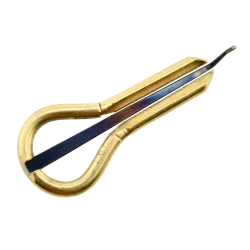
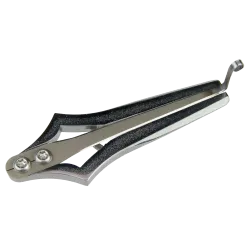
This steel jaw harp is a compact idiophone made by hand in the Ural region of Russia. The instrument produces a range of tones across a free tuning span from B1 to D2, responding directly to the player's control of the vibrating steel tongue and the shaping of the oral cavity.
Construction and Sound
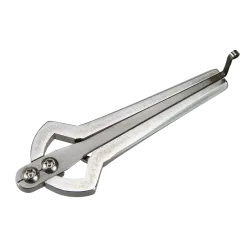
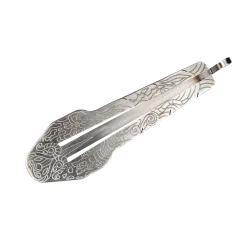
The frame is forged from steel, a material that yields bright, sustained vibrations with clear overtones. The tongue itself features a spiral-shaped end, a detail that influences both the mechanical response and the harmonic character of the sound. The compact dimensions make it portable without sacrificing tonal depth or responsiveness.
When held against the upper teeth and played by plucking the tongue with one finger, the instrument generates rich fundamental tones layered with shifting overtones. The free tuning allows the player to access a range of pitches within the B1–D2 band by adjusting embouchure and tongue position, rather than relying on fixed frets or keys.
Playing and Musical Use
The jaw harp responds to subtle changes in mouth shape and finger technique. A light pluck produces softer tones; a sharper strike generates brighter, more articulate sounds. The overtone series can be shaped by modulating the vocal tract while the tongue vibrates, making it suitable for both rhythmic accompaniment and sustained melodic exploration.
This instrument serves equally well in traditional folk contexts and contemporary applications—ambient music, world fusion, and meditative practice all benefit from its ability to produce complex harmonic textures from a single vibrating element.
What's Included
- One steel jaw harp, tuned to the B1–D2 range
Care
Keep the instrument dry and free from corrosion. Wipe the steel surfaces occasionally with a soft cloth. Store in a dry environment to preserve the integrity of the metal and the responsiveness of the tongue.
The jaw harp remains a foundational voice in Russian folk tradition and has sustained use across Eurasia for centuries, valued for its portability and capacity to produce complex sound from minimal material.
Guimbarde Vargan Ural — A traditional jaw harp handcrafted by master artisan Dimitry Glazyrin in Russia's Ural region, this compact steel vargan produces rich, responsive tones across a free tuning range (B1–D2). Held against the teeth and played by plucking the steel tongue with your finger, it serves as both a window into centuries of folk tradition and a versatile voice for contemporary ambient, world fusion, and meditative music. A pocket-sized instrument that rewards exploration with surprising sonic depth.
| Origin | Russia |
|---|---|
| Dimensions | 11,5 cm |
| Materials | Steel |
| Key | Free Tuning B1 C2 C#2 D2 |
| Jaw Harp Type | Teeth-activated jaw harp |
⚠Caution: Not suitable for children under 3 years. Please supervise older children. Beware of swallowing small parts, strangulation, material allergies, sharp edges and points! Use only for sound generation. No liability for improper use.
✦Care: Extreme temperature fluctuations, humidity and direct sunlight can affect the lifespan. Please store in balanced humidity to prevent material changes, mold and corrosion. Remove dirt with a damp cloth. Dry after cleaning and each use.
♻Disposal: Please contact your local waste disposal authority for information on environmentally sound disposal!
Guimbarde Vargan Ural
This steel jaw harp is a compact idiophone made by hand in the Ural region of Russia. The instrument produces a range of tones across a free tuning span from B1 to D2, responding directly to the player's control of the vibrating steel tongue and the shaping of the oral cavity.
Construction and Sound
The frame is forged from steel, a material that yields bright, sustained vibrations with clear overtones. The tongue itself features a spiral-shaped end, a detail that influences both the mechanical response and the harmonic character of the sound. The compact dimensions make it portable without sacrificing tonal depth or responsiveness.
When held against the upper teeth and played by plucking the tongue with one finger, the instrument generates rich fundamental tones layered with shifting overtones. The free tuning allows the player to access a range of pitches within the B1–D2 band by adjusting embouchure and tongue position, rather than relying on fixed frets or keys.
Playing and Musical Use
The jaw harp responds to subtle changes in mouth shape and finger technique. A light pluck produces softer tones; a sharper strike generates brighter, more articulate sounds. The overtone series can be shaped by modulating the vocal tract while the tongue vibrates, making it suitable for both rhythmic accompaniment and sustained melodic exploration.
This instrument serves equally well in traditional folk contexts and contemporary applications—ambient music, world fusion, and meditative practice all benefit from its ability to produce complex harmonic textures from a single vibrating element.
What's Included
- One steel jaw harp, tuned to the B1–D2 range
Care
Keep the instrument dry and free from corrosion. Wipe the steel surfaces occasionally with a soft cloth. Store in a dry environment to preserve the integrity of the metal and the responsiveness of the tongue.
The jaw harp remains a foundational voice in Russian folk tradition and has sustained use across Eurasia for centuries, valued for its portability and capacity to produce complex sound from minimal material.
Your review appreciation cannot be sent
Report comment
Report sent
Your report cannot be sent
Write your review
Review sent
Your review cannot be sent